
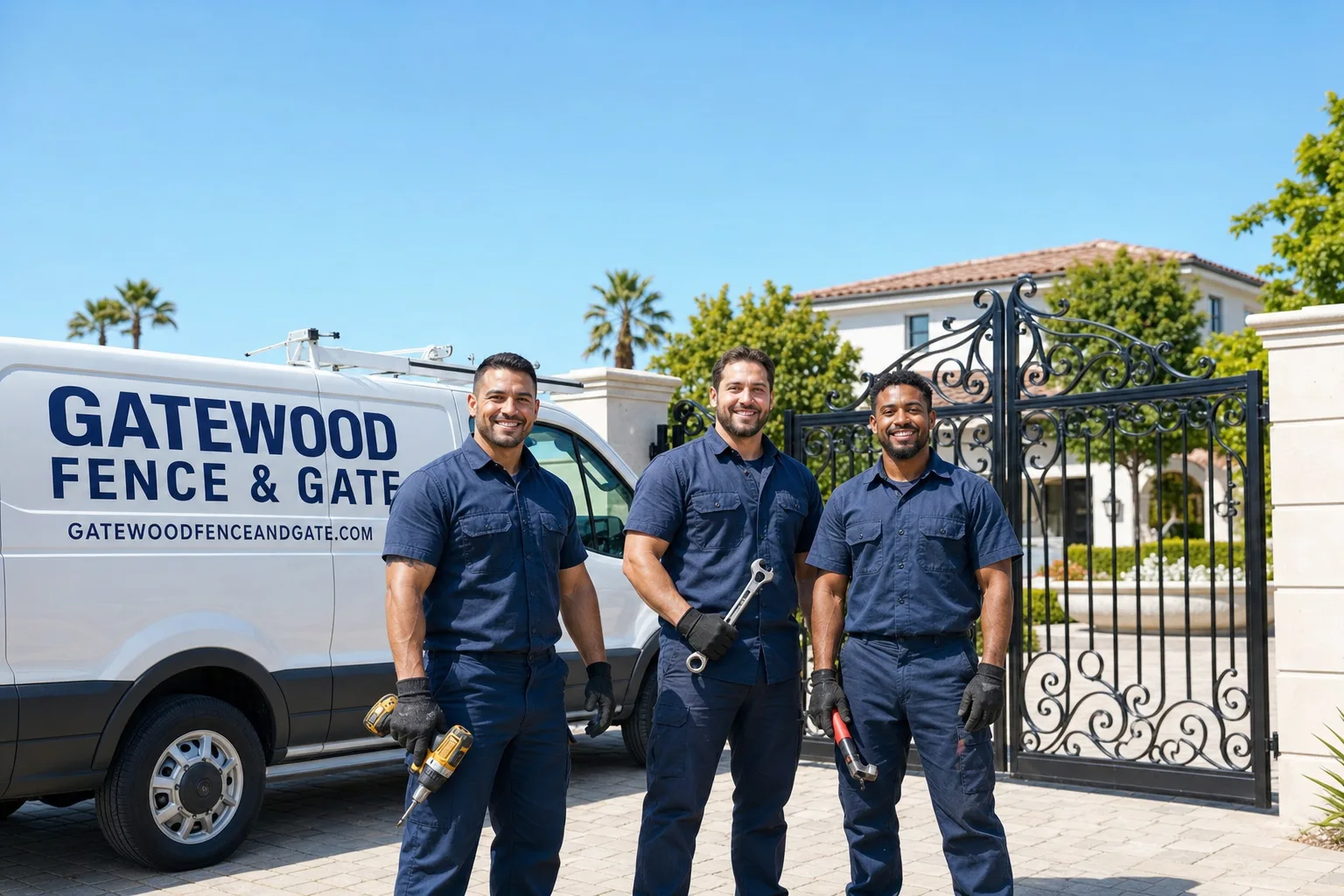
Free on-site gate assessment - hinges, posts, and your LiftMaster or Nice gate operator checked before anything is quoted
The assessment is free and the quote is the invoice.
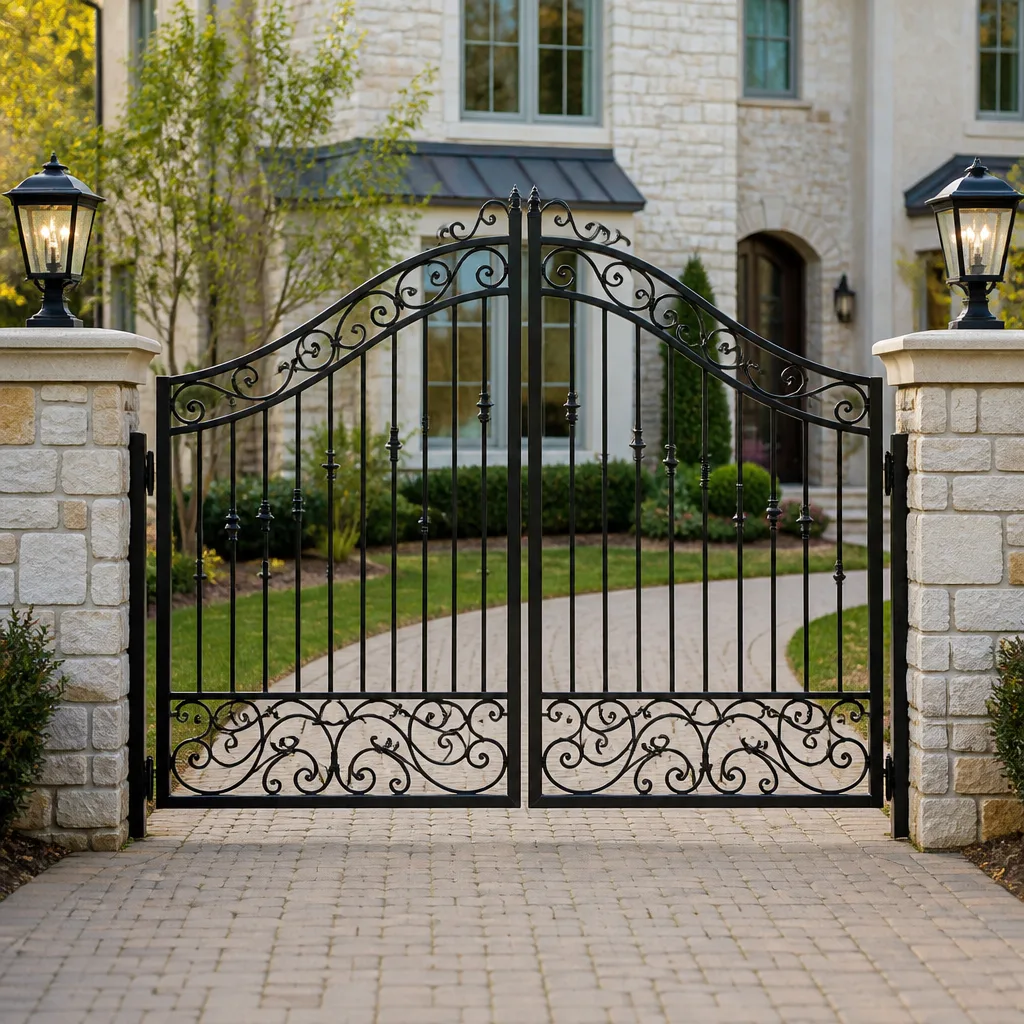
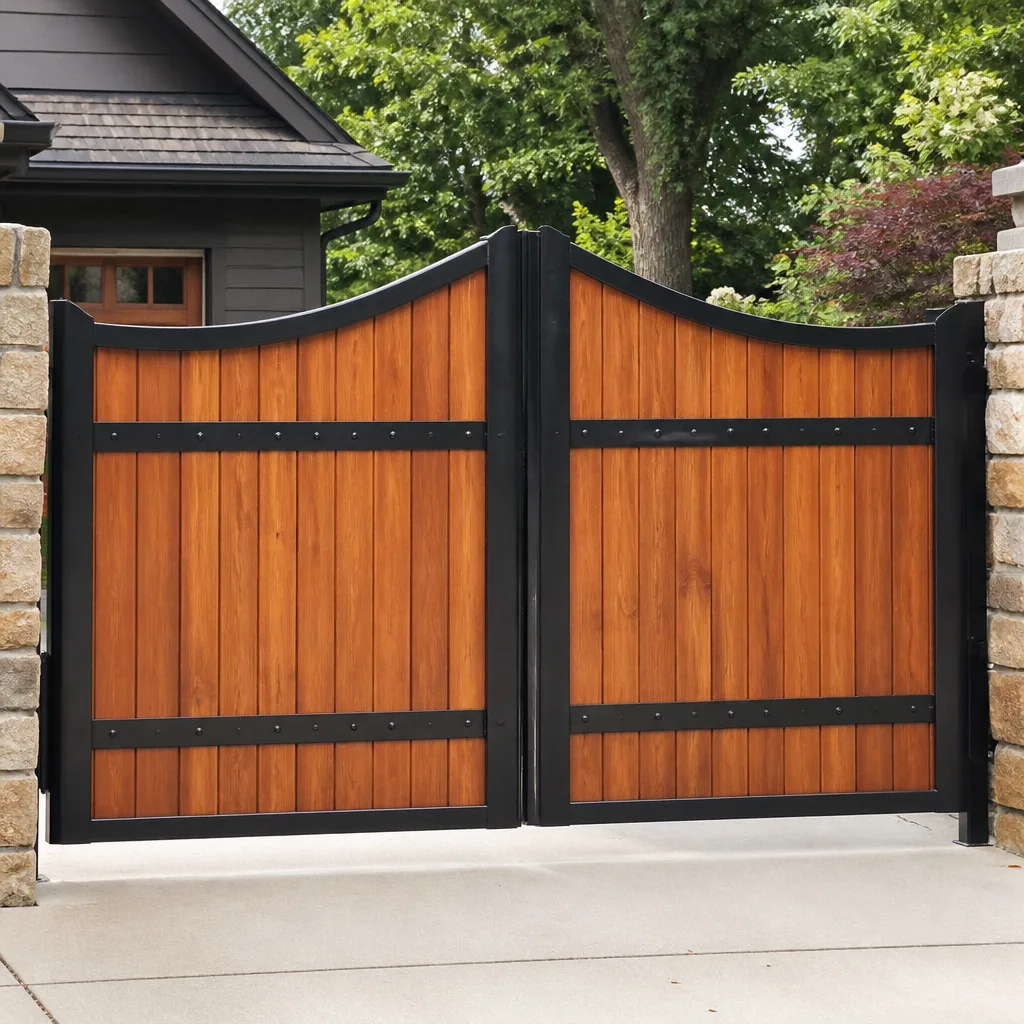
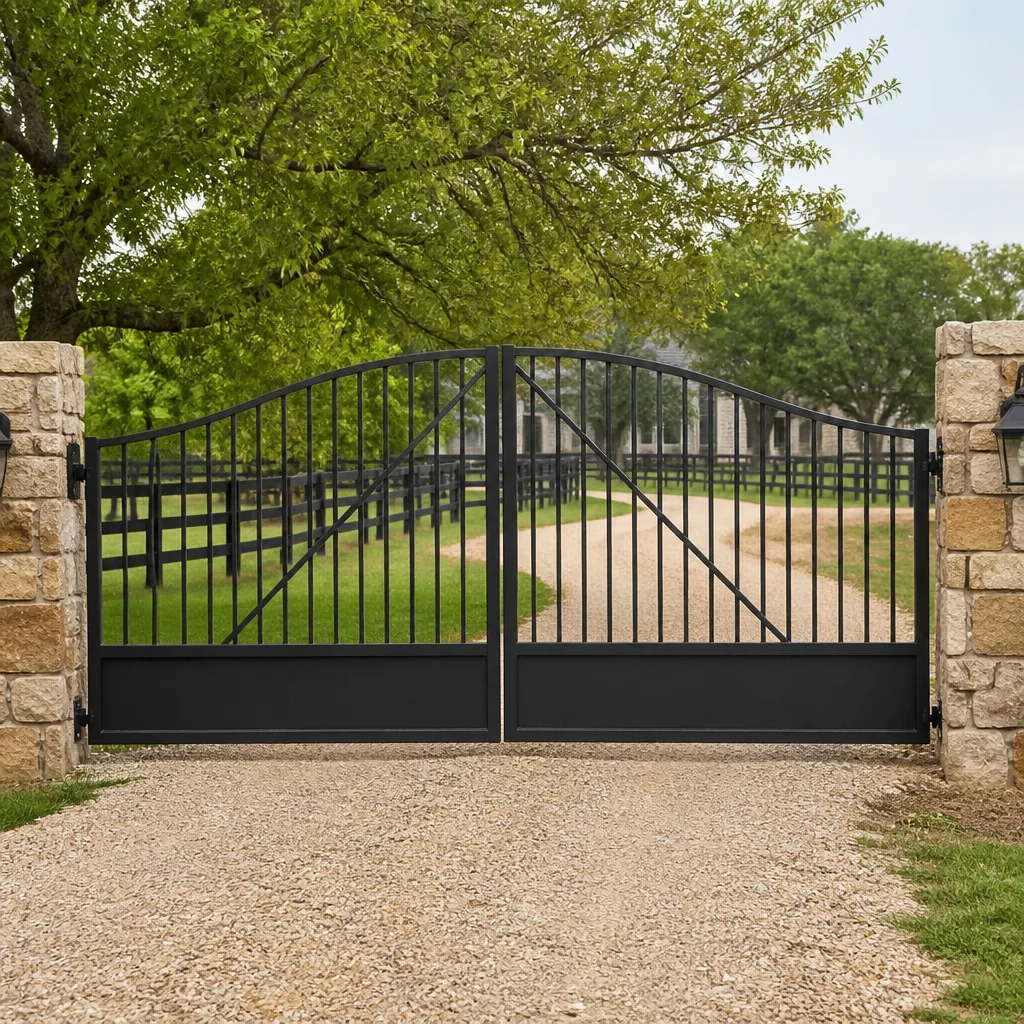
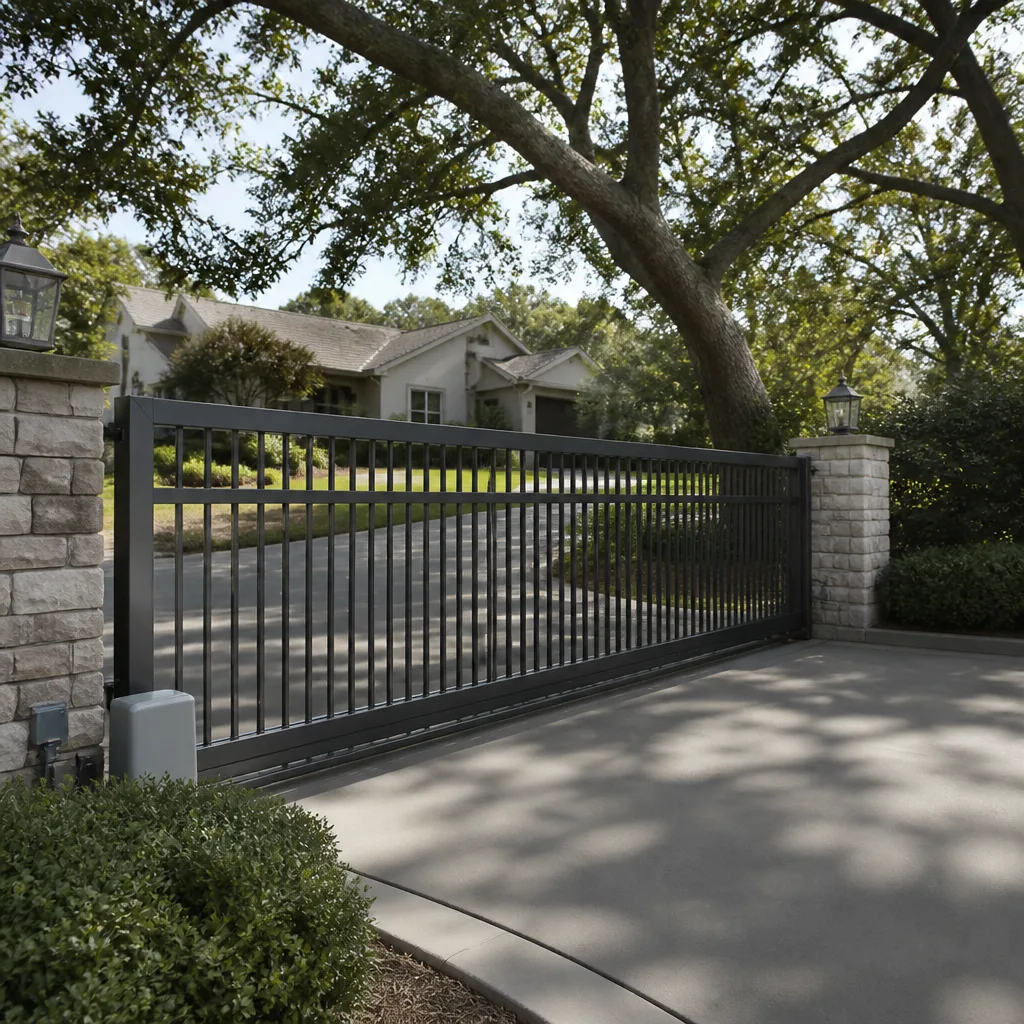
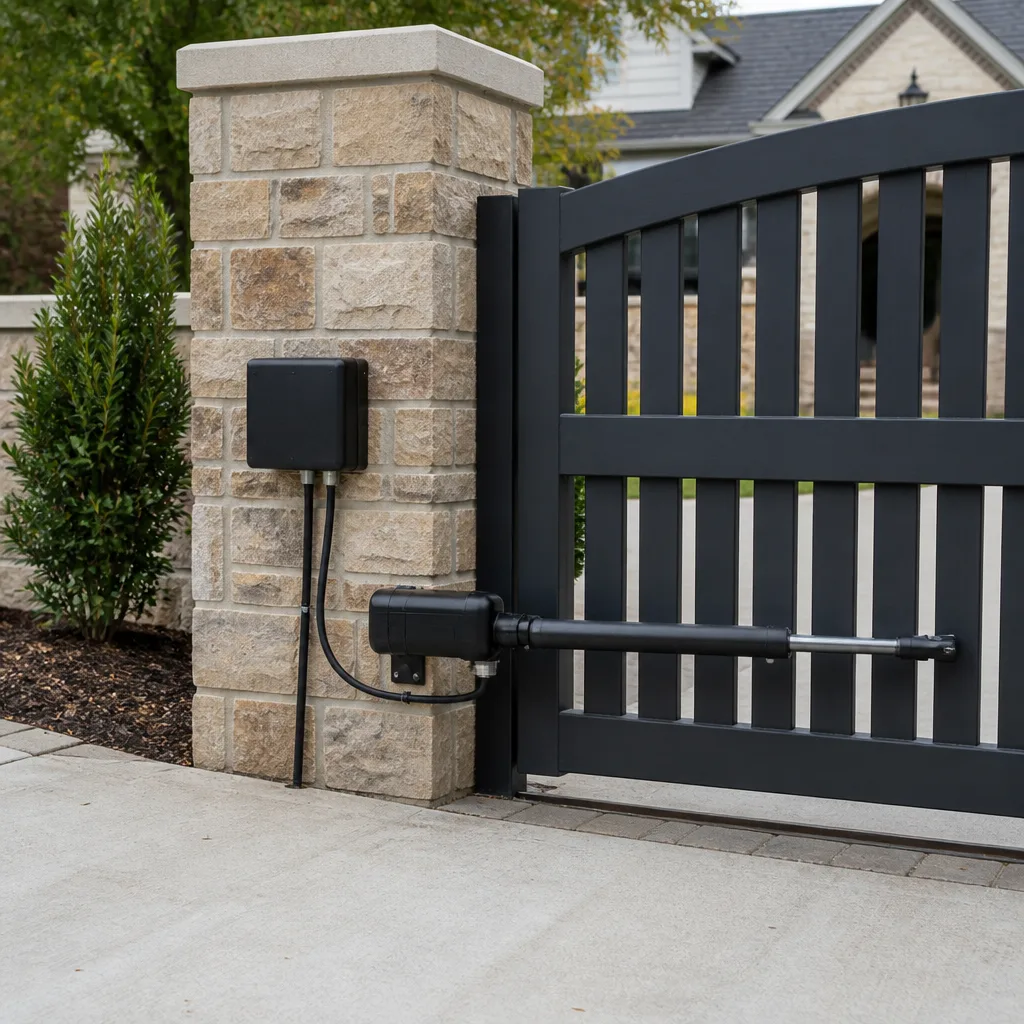
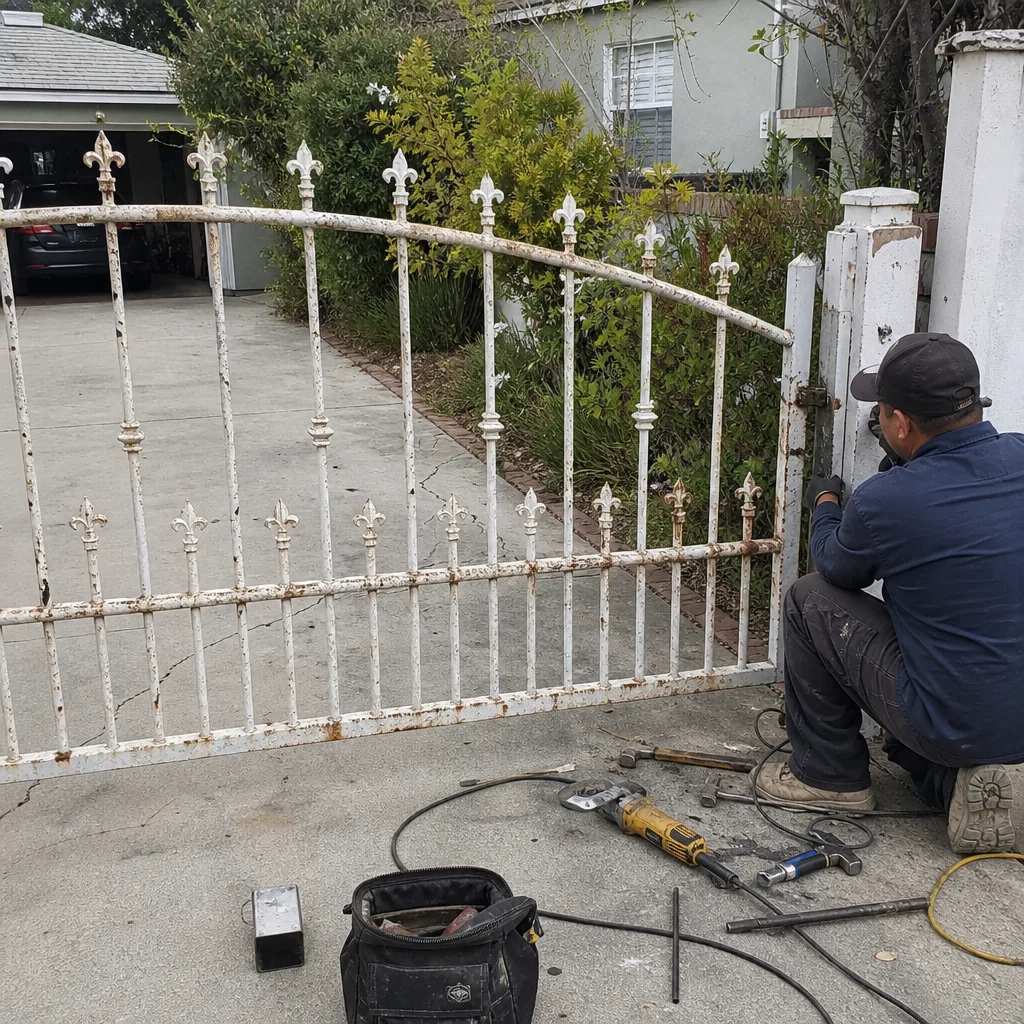 Before
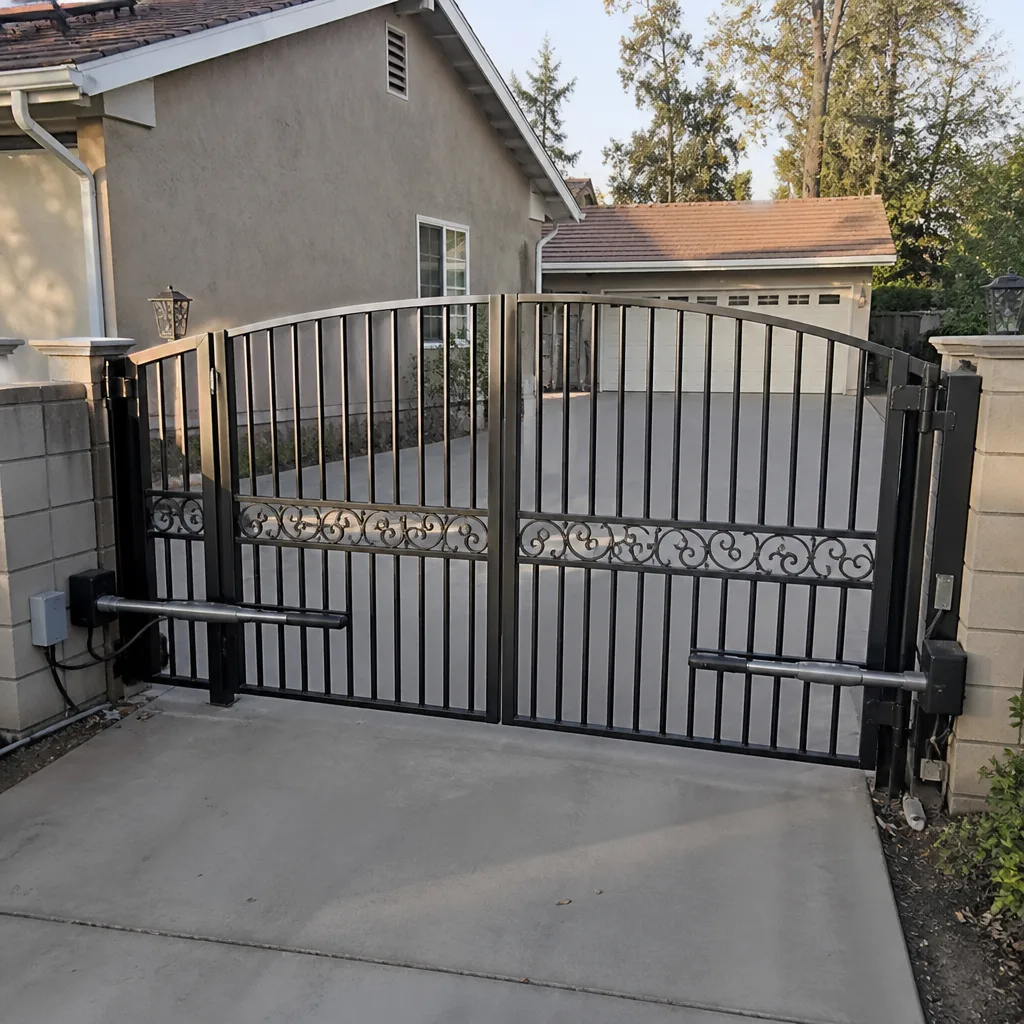 After
After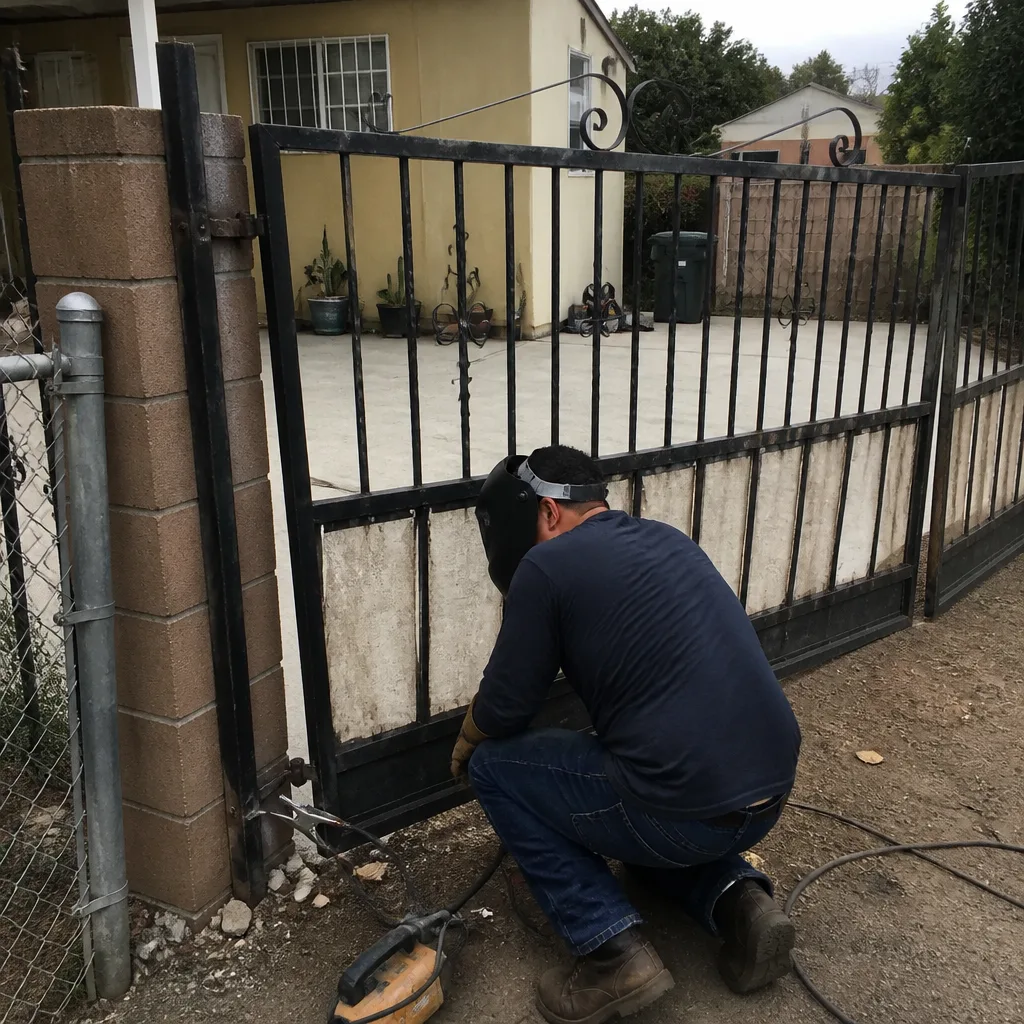 Before
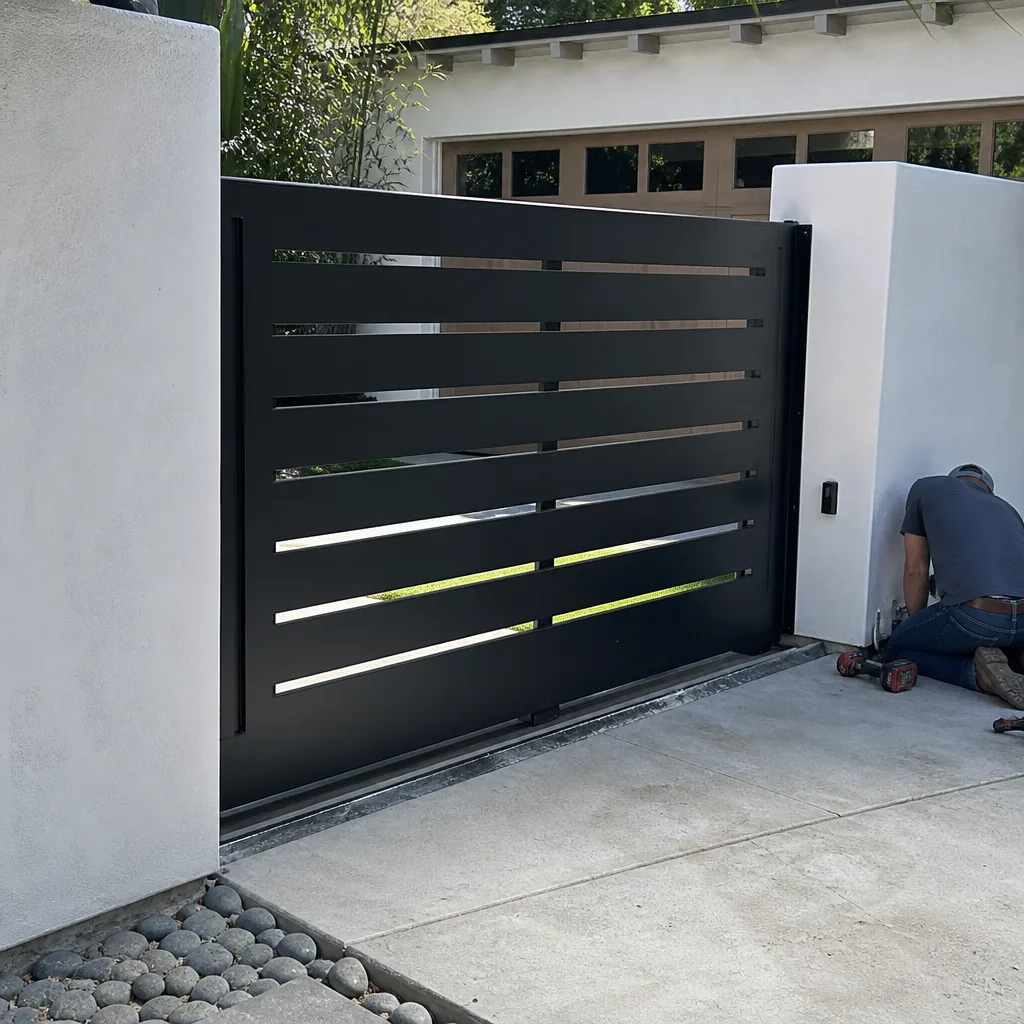 After
After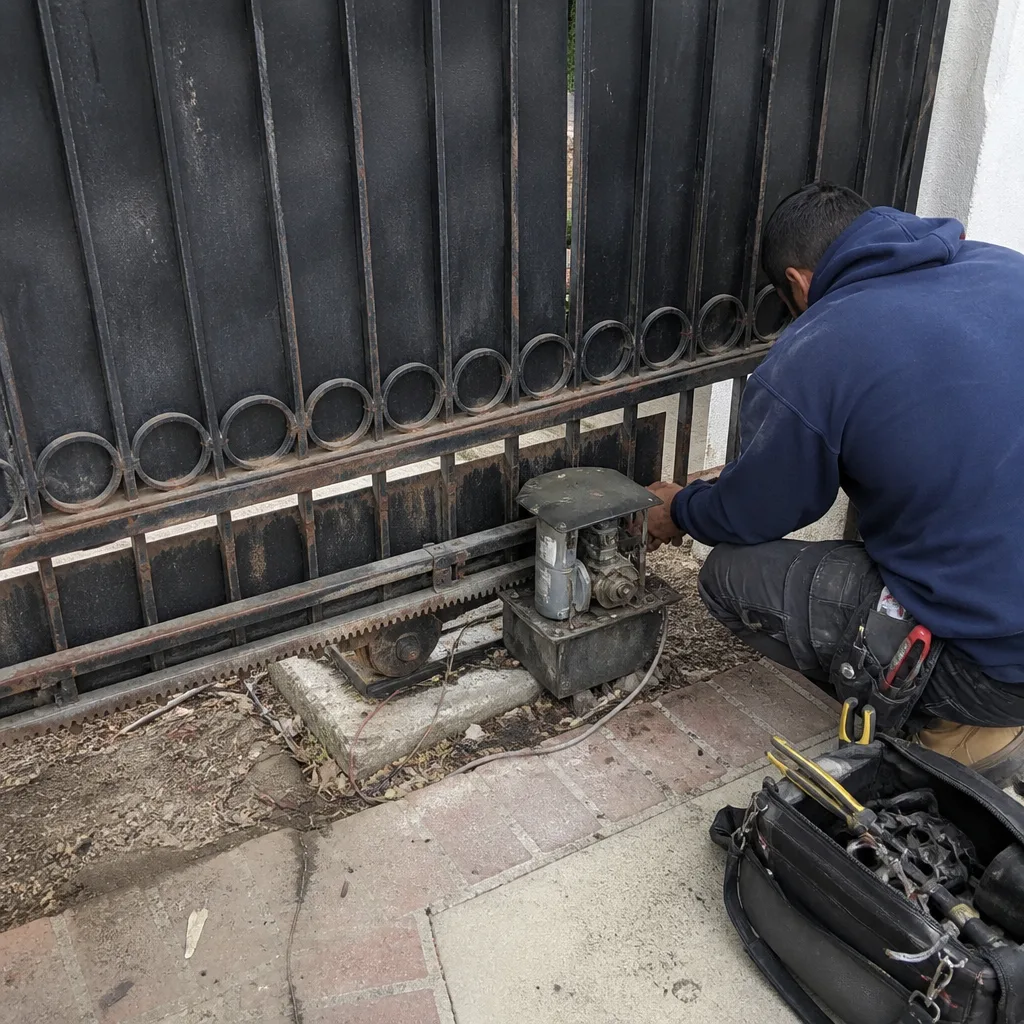 Before
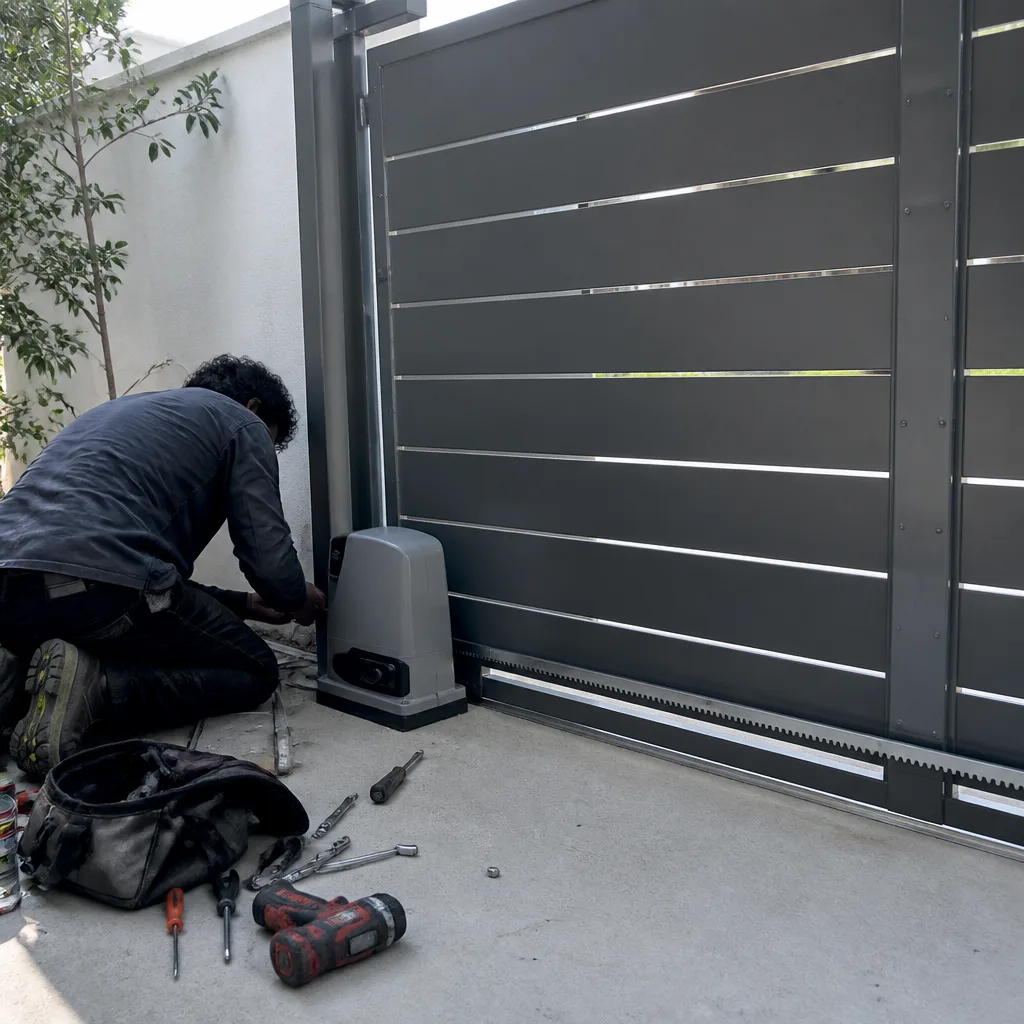 After
AfterGate Repair in Boston, MA
Gate repair in Boston means working on 100-to-150-year-old wrought iron attached to brick, granite, and 19th-century landfill, not swapping a panel on a suburban driveway gate. Most hinge, latch, and realignment work on Boston’s historic pedestrian gates runs $185 to $560, and opener repairs land between $260 and $650. The price is quoted and agreed before any work starts, and if your gate won’t latch or drags on its sill, call (877) 610-2993 and a live person answers, day or night.
Why Boston Homes Are Different
Boston averages roughly 40 freeze-thaw cycles every winter, and that number explains more about local gate failures than any hardware catalog ever will. Water seeps into hinge mortises, freezes, expands, and by March a gate that latched clean in November is dragging on its sill. In Back Bay, where brownstones sit on 19th-century hydraulic fill that still compacts and settles, gate posts go out of plumb on their own. We re-shim the post rather than bending the hinge, because fixing the hinge alone means fixing it again next spring.
The city’s road-salt and brine program doesn’t help, and neither does the salt air moving off Boston Harbor into the waterfront ZIP codes. In the North End and Seaport, we routinely see hinges rusted through in five years, latch springs that snap, and iron frames scaling at the weld points. On Beacon Hill, the original 1840s-to-1860s garden gates were set directly into granite stoop curbing without independent footings, so 160 years of frost cycles have shifted the granite itself. A hinge-side realignment on those gates means shimming or reanchoring the granite block before the gate will ever swing true. No off-the-shelf hinge kit solves that.
Gate Repair in Boston
Gate repair in Boston usually starts with a sagging pedestrian gate on Beacon Hill, a salt-corroded latch in the North End, or a Back Bay post that has drifted out of plumb since November. Hinge, post, and realignment work runs $185 to $560 in this market, and we can usually have someone at your door the same day you call. Hal Gatewood has been fixing gates since 2001, and the crew that shows up knows these streets because they work them every week.
We repair before we replace. That’s the core of our Gate Repair work in Boston. If a hand-forged hinge leaf can be field-welded and re-pinned, we do that instead of bolting on a modern replacement that the Boston Landmarks Commission might flag anyway. The gate stays in your driveway or on your stoop, and you get a written price before we pick up a tool.
Hinge & Post Repair
We repair more hinge and post failures in Boston than any other single problem. In Back Bay especially, gate posts set in 19th-century hydraulic fill shift seasonally as the ground settles and frost heaves, throwing the gate out of plumb and binding it mid-arc. We reanchor posts, shim hinge blocks, and install 316 stainless steel hinges that survive harbor salt. A typical hinge and post repair in Boston’s 02116 ZIP runs $220 to $480 depending on whether the post needs full reanchoring or just realignment.
Weld & Rust Repair
Salt air off Boston Harbor eats zinc-plated hardware in three to five years, and we see it constantly on North End pedestrian gates facing the water. Our crew welds on site, so your gate never leaves the stoop. For historic wrought iron with original hand-forged welds, we use forge-compatible repair methods rather than modern MIG welding, which preserves the material’s integrity and passes historic-district review. Weld and rust repair in Boston typically runs $150 to $400 per gate section, including grinding, welding, and a corrosion-resistant primer and finish coat.
Gate Realignment
Boston’s freeze-thaw cycle lifts shallow gate post footings every spring, and in dense historic districts the problem compounds because original posts were often set directly into granite curbing without independent footings. We shim, reanchor, and true the gate to swing clean without dragging. Most realignment jobs run $185 to $350 in Boston’s 02113 and 02114 ZIP codes.
Electric & Automatic Gate Repair
We service opener boards, safety edges, and motors for Viking, Ghost Controls, and DoorKing systems, among nine major brands. Boston’s salt air and winter brine get into limit switches and corrode terminal connections faster than inland installs. If your automatic gate opener quits after a salty winter storm, the fix is usually a corroded limit switch or a shorted safety edge, not a full board replacement. Typical electrical gate repair in Boston runs $260 to $650 including parts. Call (877) 610-2993 and we’ll diagnose it honestly.
How much does gate repair cost in Boston?
Gate repair in Boston runs $185 to $560 for most hinge, post, realignment, and weld work on historic pedestrian gates. Electric opener repair lands between $260 and $650. You get a written price before work starts, and that number does not move at the door. Call (877) 610-2993 for an exact quote, estimates are free.
Can you repair a gate in a Boston historic district?
Yes. Boston’s core neighborhoods fall under the Boston Landmarks Commission or the Back Bay Architectural Commission, which means repair work must often match historic hand-forged iron profiles and get approval before hardware changes. We’ve done enough of these applications to know what the commissions want to see, and we handle the paperwork with the repair. Call (877) 610-2993 and we’ll walk you through it.
Gate Installation in Boston
Gate installation in Boston rarely means a clean slate. It means working around granite curbing, brick party walls, and historic-district rules that suburban installers never face. Whether you need a new pedestrian gate on a Beacon Hill walkway or a replacement for a rowhouse entry that rusted past saving, the job starts with measuring what’s already there and figuring out why the last gate failed. We quote the full price before any work begins, and that price holds.
Our Gate Installation work in Boston always accounts for the post, not just the panel. A gate sags in the hinge post, not in the middle, and that is where we start. In Back Bay especially, posts set in hydraulic fill need deeper footings than the originals had, or the new gate will bind within two winters.
Pedestrian Gate Installation
Pedestrian gates on Boston rowhouses and brownstones are usually ornamental wrought iron, and the replacement has to match the street’s character. We fabricate or source profiles that fit the original openings, then set the posts properly. A new pedestrian gate installation in Boston typically runs $1,200 to $2,800 depending on ironwork complexity and whether the granite or brick surround needs repair first.
Driveway Gate Installation
Driveway gates are rarer in Boston’s core than in the suburbs, but they exist in South End carriageways and a few Back Bay mews. Clearance is usually tight, which means slide gates or compact swing geometries. A driveway gate installation here starts around $2,500 and runs up from there based on the operator, the gate material, and what the commission’s design review requires.
Historic-District Installation
Any visible gate change in a Boston Landmarks Commission or Back Bay Architectural Commission district requires approval before work starts. We prepare the application, submit drawings and material specs, and install only after the commission signs off. That process adds time but prevents a stop-work order. Installation labor in these zones runs at the upper end of the ranges above, because the paperwork and matching-material requirements are real work.
Do you handle new gate installations in Boston historic districts?
Yes, and we handle the permit and commission paperwork as part of the job. The Back Bay Architectural Commission and Boston Landmarks Commission both require approval before visible gate changes, and we prepare those applications with material specs and drawings. Call (877) 610-2993 and we’ll tell you what your street requires before you spend anything.
What does a full gate installation include in Boston?
A full gate installation includes measuring the opening, setting or replacing the posts, hanging the gate, adjusting the hinges and latch, and cleaning up the site. In Boston, it often also includes shimming granite curbing, pouring deeper footings in fill soil, and coordinating historic-district approval. Call (877) 610-2993 for a free measure and a written price.
Gate Motor & Opener in Boston
Gate motor and opener work in Boston is a corrosion fight first and an electronics job second. The city’s road-salt and brine program, combined with salt air off the harbor, gets into limit switches, terminal strips, and safety edges faster than anywhere inland. When an opener quits after a winter storm, the culprit is usually a corroded limit switch or a shorted edge sensor, not a dead motor. We find the actual fault and replace only what failed.
Our Gate Motor & Opener service covers nine major brands, and we keep common Viking, Ghost Controls, and DoorKing parts stocked locally. That means most opener repairs in Boston don’t wait on a parts truck. We diagnose on site, quote the full price, and do the work with the gate still in place.
Opener Diagnosis & Repair
We see the same pattern every spring: a Boston opener that ran fine in November won’t respond by March, and the cause is corrosion on a limit switch or a terminal strip. We test the board, the safety edges, and the motor before recommending any replacement. Opener diagnosis and repair in Boston runs $260 to $650 including parts, and you’ll know the price before we open the housing.
Safety Edge Replacement
Safety edges on Boston gates take a beating from freeze-thaw cycling and road brine, and a damaged edge means the gate won’t reverse when it should. That’s not a convenience issue; it’s a safety fault, and we treat it that way. Replacing a safety edge typically runs $180 to $350 in Boston, and we always test the full reversal circuit before we call the job done.
Motor Replacement
When a motor has genuinely failed, we replace it with a unit matched to the existing board and rack rather than selling you a whole new operator system. On Boston properties where the gate swings in tight rowhouse clearances, that match matters. Motor replacement runs $400 to $900 depending on brand and whether the drive train needs adjustment at the same time.
Why does my Boston gate opener fail every spring?
Most springtime opener failures in Boston are corrosion, not motor death. The city’s winter road-brine program and harbor salt air corrode limit switches and terminal connections, causing intermittent faults. We test before replacing, and the fix is often a $260-to-$400 repair rather than a full motor swap. Call (877) 610-2993 and we’ll diagnose it honestly.
Do you service Viking and Ghost Controls openers in Boston?
Yes. We service Viking, Ghost Controls, DoorKing, and Elite openers, along with five other major brands, and we keep common parts stocked locally for faster turnaround. If your opener is one of these and it’s acting up, call (877) 610-2993. A live person answers and we’ll get someone out to look.
Gate Access Control in Boston
Gate access control work in Boston often starts with a call from someone standing at a gate that won’t open, or a keypad that stopped reading codes sometime in February. We handle that. Hal Gatewood still answers the phone himself many nights, and if your keypad, card reader, or phone entry system has quit, you’ll get a live person, not a voicemail tree.
Our Gate Access Control work in Boston always checks the mechanical side before the electronic side. A keypad that reads the code but won’t release the lock is usually a gate that has shifted, not a keypad fault. Fix the panel without the post and you’ll fix it twice.
Keypad Entry
Keypad entry systems on Boston’s older residential gates often fail because the gate has shifted and the strike no longer aligns, not because the keypad is bad. We fix both. A standard keypad replacement or reprogram on a Back Bay walkway gate typically runs $285 to $480 including labor, depending on whether the post needs realignment. On Beacon Hill, the hinge side almost always needs correcting first, or the lock won’t release cleanly even with a good code.
Video Intercom
Video intercoms on Boston brownstones mount to historic masonry or ironwork that the Back Bay Architectural Commission or Boston Landmarks Commission must approve before any visual change. We walk you through that application, and we’ve done enough of them to know what the commission wants to see. A wired video intercom install with a door strike on a Boston rowhouse usually runs $850 to $1,600, with wiring as the variable part. Older buildings hide surprises inside lath and plaster walls.
Card Reader
Card readers in Boston have a corrosion problem. Salt air off Boston Harbor eats exposed contacts within two winters, especially on North End and Seaport properties facing the water. We install marine-grade housings and dielectric grease on every card reader we mount within a half mile of the harbor. A card reader replacement with strike wiring typically runs $400 to $750 in Boston, and we check the gate hinges before touching the electronics, because a sagging gate breaks any reader you mount on it.
Phone Entry
Phone entry systems make sense on Boston’s duplexes and multi-unit rowhouses, where you don’t want every resident carrying a fob. A cellular-based phone entry unit runs $600 to $1,100 installed in Boston, and the cellular module avoids digging a phone line through a historic courtyard. If your existing phone entry box stopped calling your cell, the decoder board is often a $180 to $260 repair. Call (877) 610-2993 and we’ll tell you which one you need before quoting anything.
How much does a keypad entry system cost in Boston?
A keypad replacement or reprogram on a Boston walkway gate runs $285 to $480 including labor. If the gate post has shifted and the strike no longer aligns, the mechanical fix adds to that. We quote the full price up front. Call (877) 610-2993 for a free estimate, and remember no trip charge inside the county.
Do you handle access control in Boston historic districts?
Yes. Video intercoms, card readers, and keypads mounted on Boston brownstones and Beacon Hill townhomes often need Back Bay Architectural Commission or Boston Landmarks Commission approval before installation. We prepare the application and know what the commissions want to see. Call (877) 610-2993 and we’ll walk you through it.
Gate Parts & Welding in Boston
If your gate is binding, sagging, or the hinge finally let go, you need someone who understands Boston’s older ironwork, not a parts-swapper guessing at the problem. Gate parts and welding across Boston’s core neighborhoods means working on gates hung before your house had electricity. Hal Gatewood and his crew have been doing exactly that since 2001.
We weld on site, keep the gate in your driveway, and fix what’s actually broken instead of replacing everything down to the post. Our Gate Parts & Welding work in Boston covers hinge replacement, post work, rail repair, and custom fabrication to match historic profiles.
Hinge Replacement
Boston’s freeze-thaw cycles loosen hinge pins and egg out the pin holes on old iron gates every spring. On Beacon Hill, the hinge-side granite often shifted before the hinge itself wore out, so a new hinge alone won’t make the gate swing true. We replace the hinge, then correct the post plumb so you don’t redo the job next March. A typical hinge replacement in Boston runs $180 to $480, depending on whether it’s a pintle hinge on an 1850s garden gate or a barrel hinge on a newer walkway gate.
Post Replacement
In Back Bay, gate posts were set into 19th-century hydraulic fill that still settles, which is why a post that was plumb last summer leans two degrees by spring. We dig it out, verify the footing depth, and set the post properly, often with a deeper concrete pour than the original ever had. Post replacement in Boston runs $450 to $1,100. On historic properties, we coordinate requirements with the Back Bay Architectural Commission so the work doesn’t stall at the permit stage.
Rail Repair
A bent or rotted bottom rail makes even a perfectly hung gate look and act broken. The salt air off Boston Harbor eats through iron rails on North End and Seaport gates faster than any factory paint job anticipated. We cut out the rotted section, field-weld a matching profile, and re-coat the whole rail. Rail repair in Boston typically runs $220 to $520, and doing it in place usually costs less than hauling the gate off-site.
Custom Welding
Off-the-shelf parts don’t exist for a hand-forged 1860s Beacon Hill gate. That’s where our on-site welding makes the difference. We fabricate hinge leaves, shim plates, latch strikes, and frame patches to match the original profile. If you need a missing picket replaced on a Federal-style townhome gate, we’ll forge and weld it in the driveway, then paint to match. Custom welding in Boston runs $150 to $600 per welded assembly, depending on complexity and whether we’re matching hand-forged details or repairing a straightforward crack. Call (877) 610-2993 and we’ll come look at it.
Can you weld a historic Boston gate on site?
Yes. We weld on site so your gate never leaves your property, and we match original hand-forged profiles using forge-compatible methods rather than modern MIG welding. That’s what the Boston Landmarks Commission wants to see. Call (877) 610-2993 for a free estimate on the repair.
How much does custom welding cost in Boston?
Custom welding in Boston runs $150 to $600 per welded assembly, depending on complexity. A straightforward crack repair lands toward the low end; matching a hand-forged picket on a Landmarks Commission property lands toward the high end. We quote the job in writing before any work starts. Call (877) 610-2993 and we’ll price it specifically.
Brands We Service in Boston
We service Viking, Ghost Controls, DoorKing, and Elite operators, plus five other major brands, and keep common parts stocked locally for faster turnaround on Boston calls. Our brands coverage means most opener and access-control repairs don’t wait on a parts truck. If the board’s shot and the part’s on the shelf, we’re done the same day.
Pricing for Gate Repair in Boston, MA
| Service | Typical range in Boston |
|---|---|
| Gate realignment | $185 - $350 |
| Hinge replacement (stainless) | $220 - $480 |
| Post reanchoring (Back Bay fill soil) | $300 - $560 |
| Weld and rust repair, per section | $150 - $400 |
| Electric opener diagnosis and repair | $260 - $650 |
| Safety edge replacement | $180 - $350 |
| Motor replacement | $400 - $900 |
| Keypad replacement or reprogram | $285 - $480 |
| Video intercom with door strike | $850 - $1,600 |
| Card reader with strike wiring | $400 - $750 |
| Phone entry (cellular) | $600 - $1,100 |
| Custom welding, per assembly | $150 - $600 |
What pushes a Boston job toward the high end is almost always the gate itself: a post out of plumb in Back Bay fill, granite that needs shimming on Beacon Hill, or a strike that binds because the ground moved. We quote the full price in writing before any work starts, and that number does not move at the door.
Neighborhoods We Serve in Boston
Our Boston crews work the whole city, but these are the neighborhoods we know best because the housing stock demands it. Typical response time in Boston is a few hours for urgent repair calls.
- Beacon Hill
- Back Bay
- North End
- South End
- Seaport
Service Area - Cities Near Boston
Beyond Boston itself, our crews cover the surrounding communities with the same live-answer phone line and the same written, upfront pricing. We work regularly in Boston, MA, South Boston, MA, Chelsea, MA, Cambridge, MA, Winthrop, MA, and Somerville, MA. If your gate is failing and you’re in one of those towns, call (877) 610-2993 and Hal or his crew will get it sorted.
Serving Boston, MA - Our Local Coverage Area
Gatewood Fence & Gate crews serve Boston and the communities around it; dispatch is coordinated from our Boston office. The map shows the Boston coverage area; if your address is on it, we can help.
Also serving nearby: Boston, MA, South Boston, MA, Chelsea, MA, Cambridge, MA, Winthrop, MA, Somerville, MA.
FAQs About Gate Repair in Boston
Yes. Our Boston crews typically arrive within a few hours for urgent repair calls, and the phone is answered by a live person around the clock. If your gate won’t latch or won’t open, call (877) 610-2993 and we’ll tell you when someone will be there.
Because the post is moving, not the hinge. Back Bay gates are often set in 19th-century hydraulic fill that keeps settling, so the post drifts out of plumb and the gate sags again within a season. We re-shim or reanchor the post so the repair holds. Call (877) 610-2993 and we’ll check the post first, not the hinge.
Yes. Original Beacon Hill garden gates were set directly into granite stoop curbing without independent footings, and 160 years of frost cycles have shifted the granite itself. We shim or reanchor the granite block before doing any hinge work, or the gate will never swing true. Call (877) 610-2993 and we’ll take a look.
Contact Gatewood Fence & Gate in Boston
If your gate is sagging, stuck, corroded, or just not latching the way it used to, call (877) 610-2993. You’ll reach a live person who knows Boston gates, not a phone tree. We’ll give you a written price before any work starts, and that price holds. Estimates are free, no trip charge inside the county, and every job carries the 90-Day Done Right Promise in writing. Hal Gatewood’s name is on the shop, and the shop is down the road. That’s the oldest accountability there is.
What happens when you call
- 1A real person answersNo phone trees - talk to a local gate repair pro.
- 2You get an upfront price rangeHonest numbers before anyone is dispatched. No surprises.
- 3We come out and measureLicensed & insured, at a time that suits you - the visit and the quote are both free.
- 4You get the price in writingLine-itemed, yours to keep, and nothing starts until you say go.
What Boston Customers Say
"Welded the hinge back onto our wrought iron gate on site rather than taking it away for a fortnight. Ground it back and painted it and you cannot see the repair."
- Winston Achterberg"Fitted a keypad and an intercom so my mother can let carers in without coming down the drive. He set it up and then made her practise with it until she was comfortable."
- Lucinda Marchbanks"Beautiful gate and solid work. The build took about three weeks longer than the estimate because he was waiting on the ironwork, and I would rather have known that at the start than found out along the way."
- Beatrice Nwosu