
Free on-site gate assessment - hinges, posts, and your LiftMaster or Nice gate operator checked before anything is quoted
The assessment is free and the quote is the invoice.
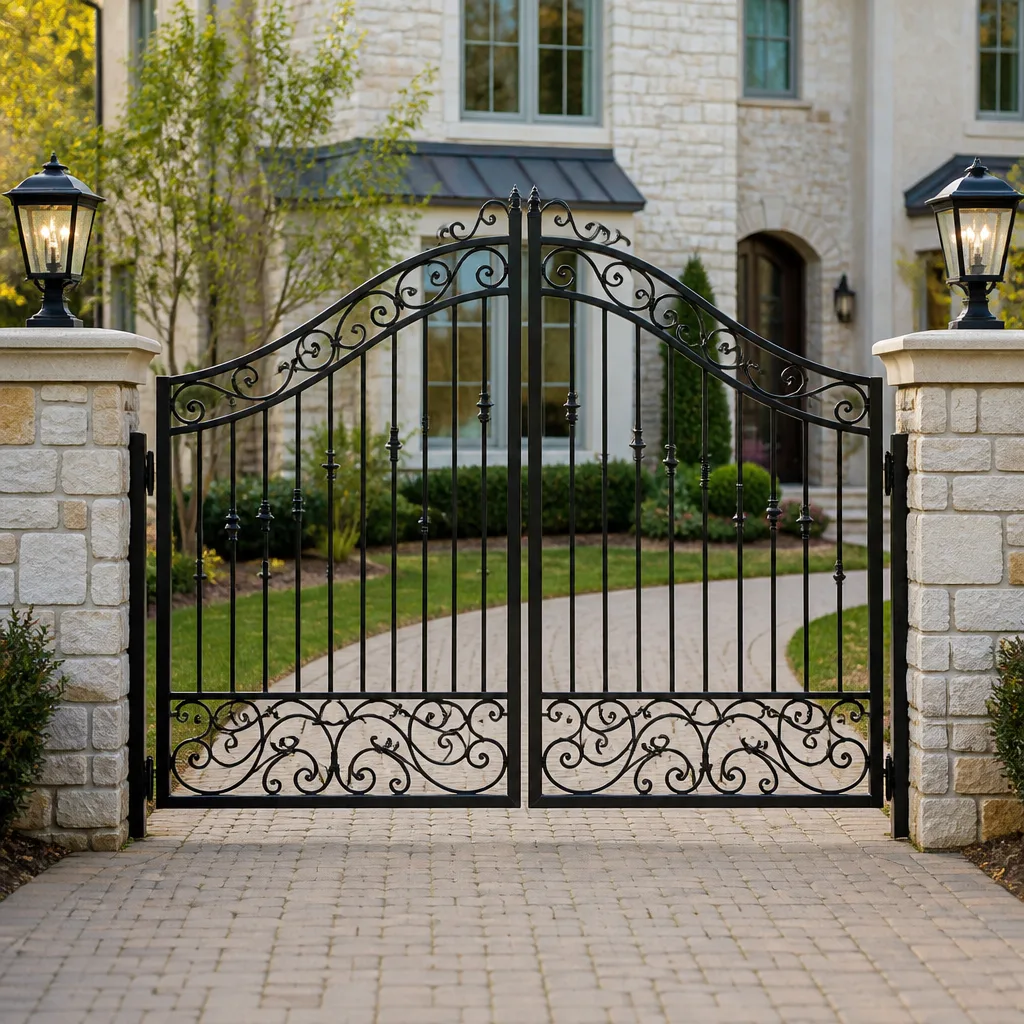
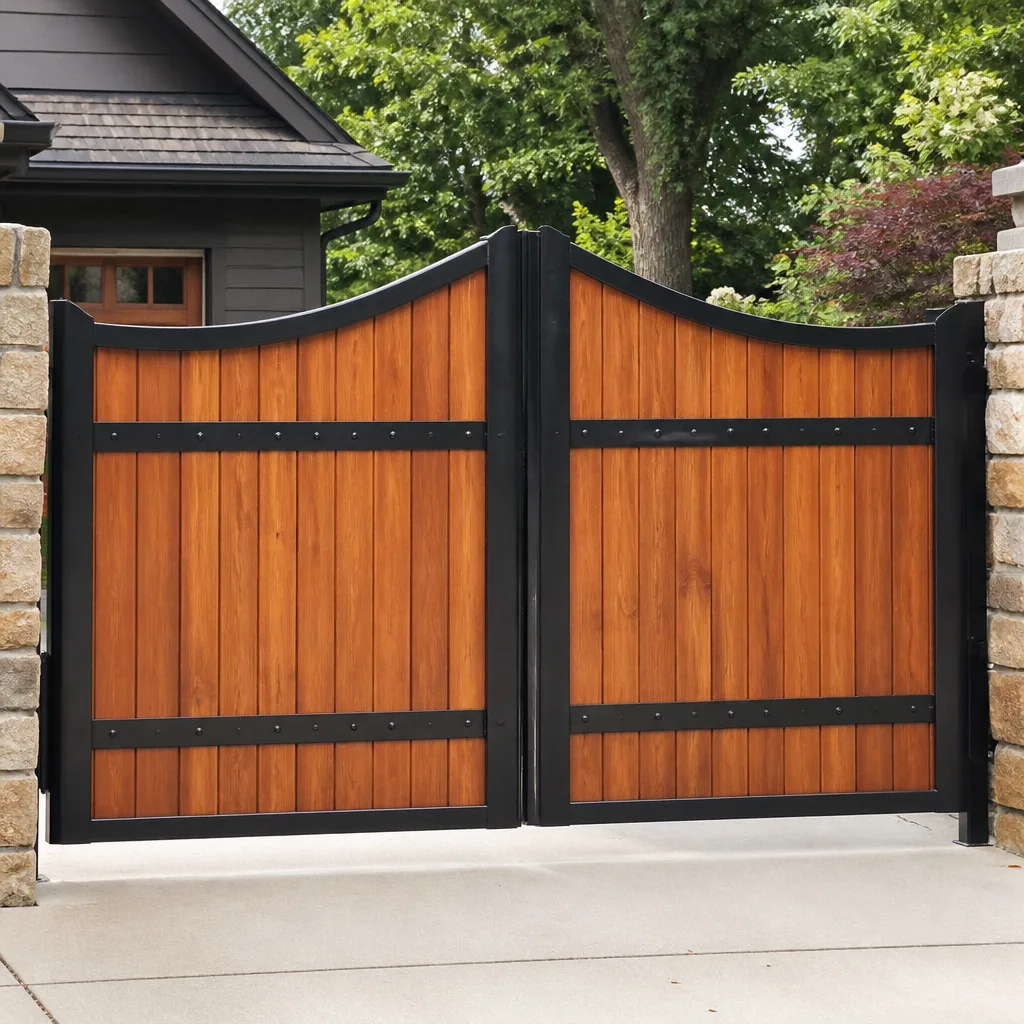
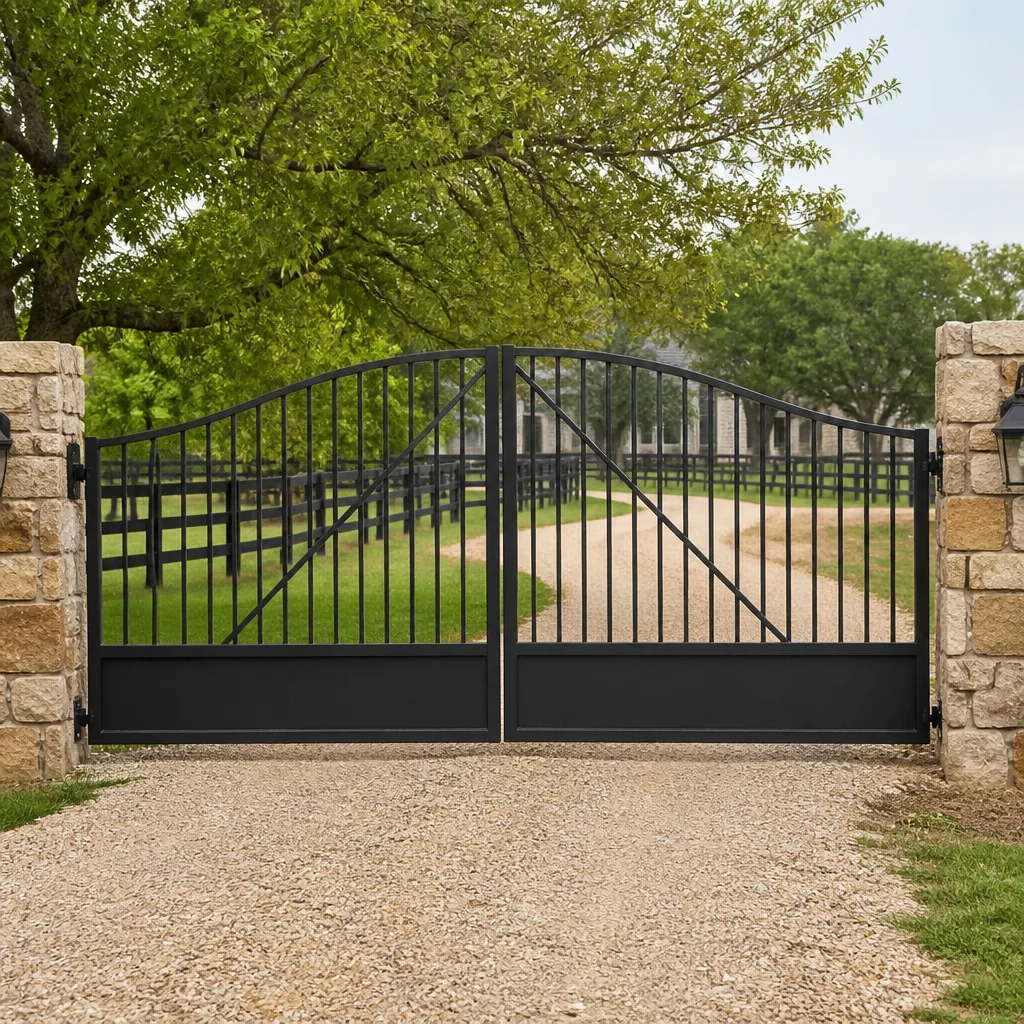
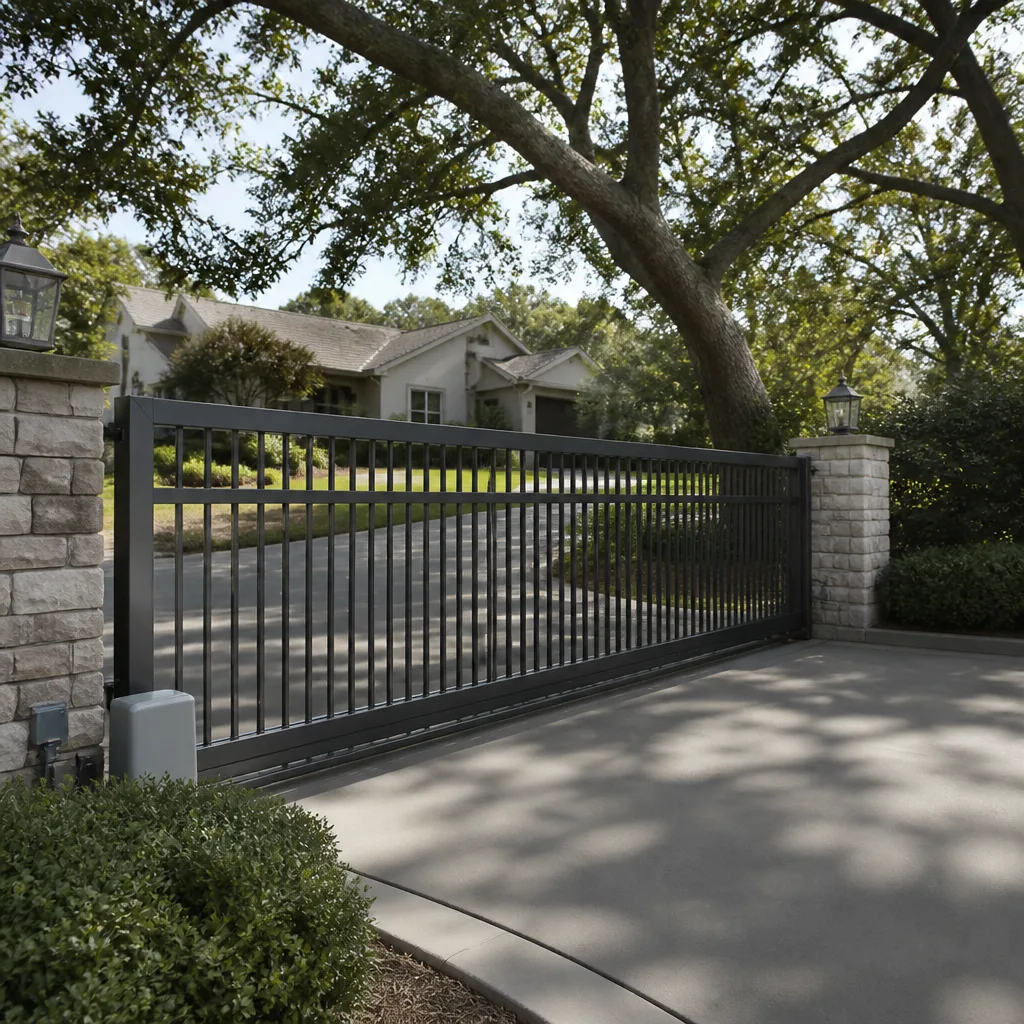
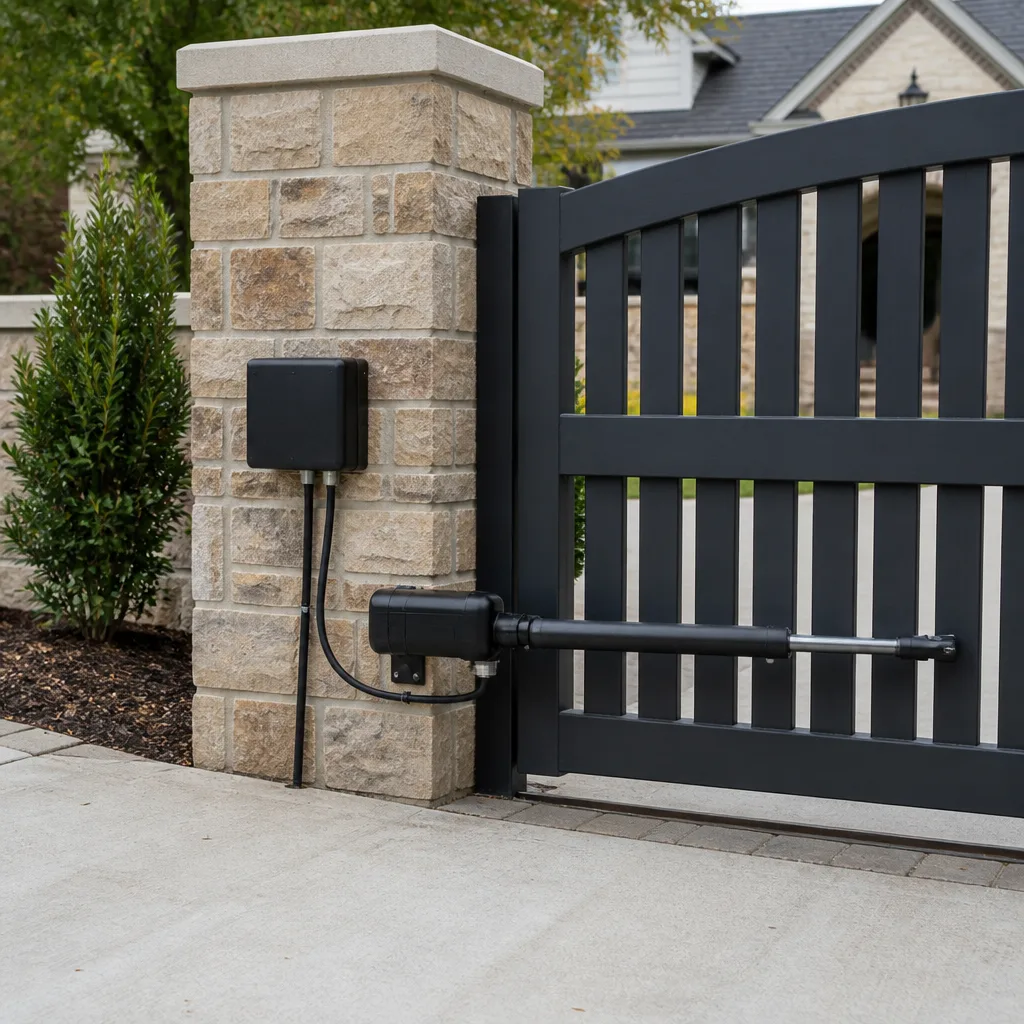
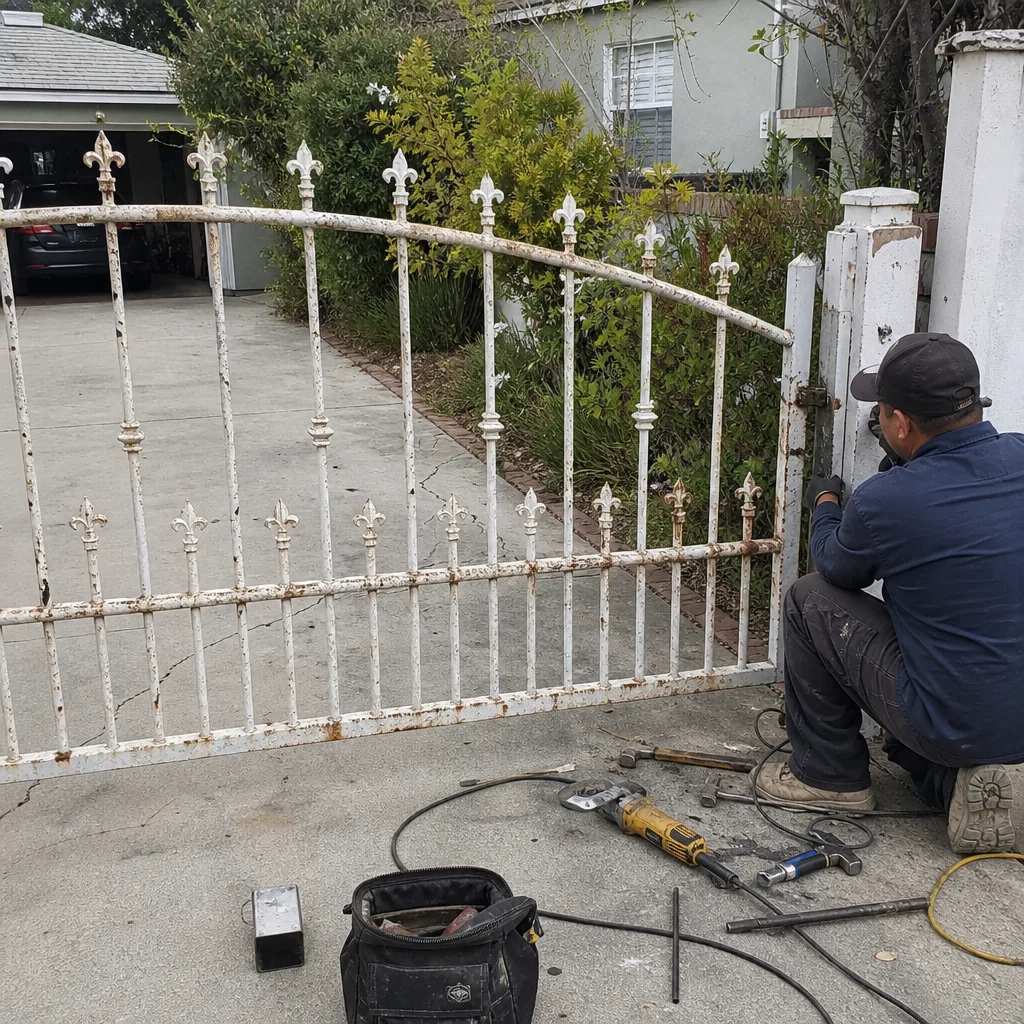 Before
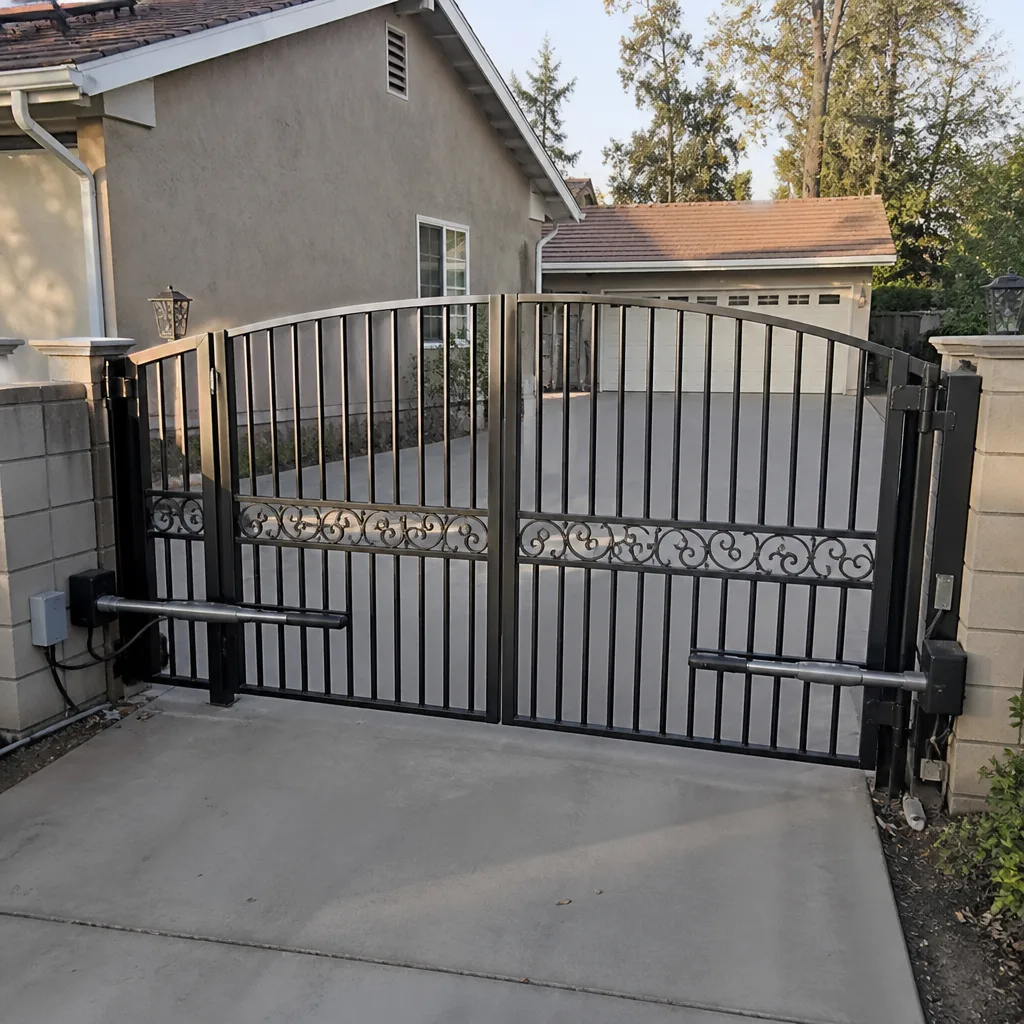 After
After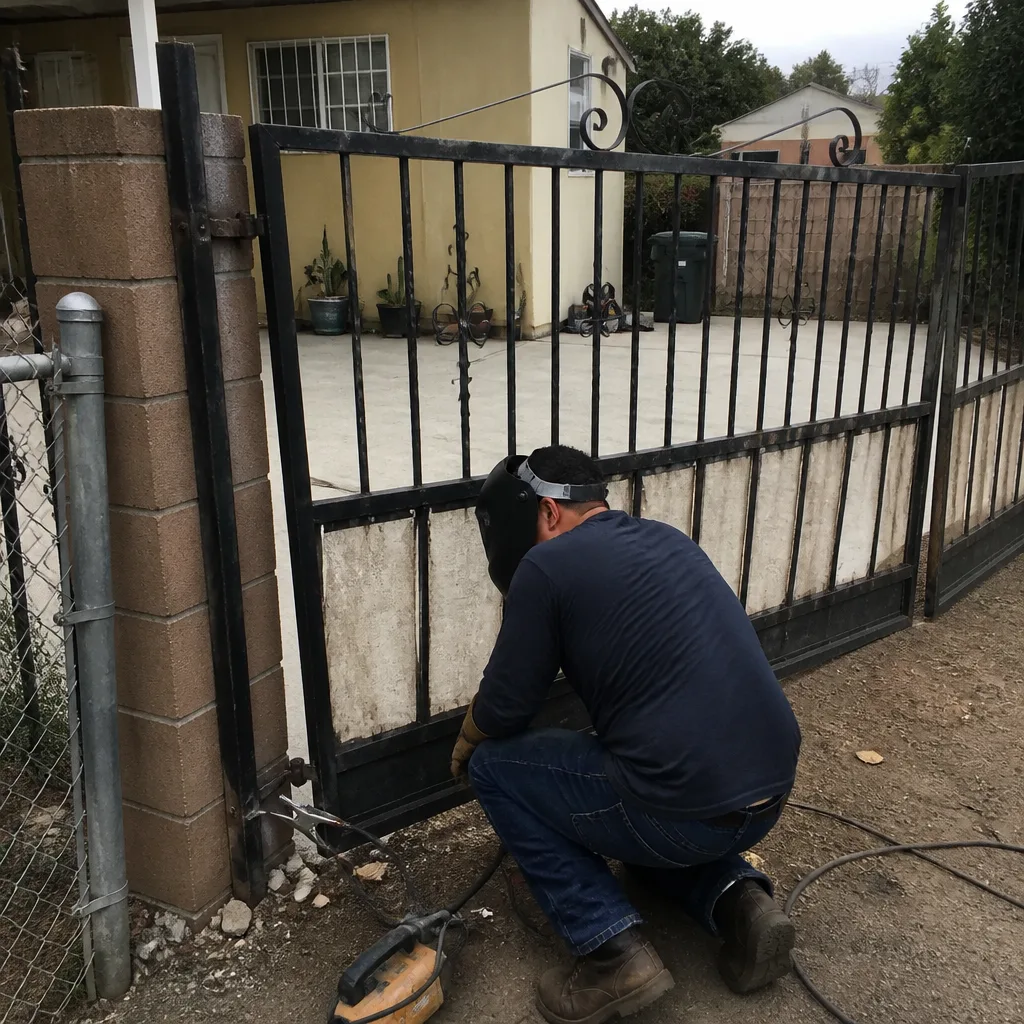 Before
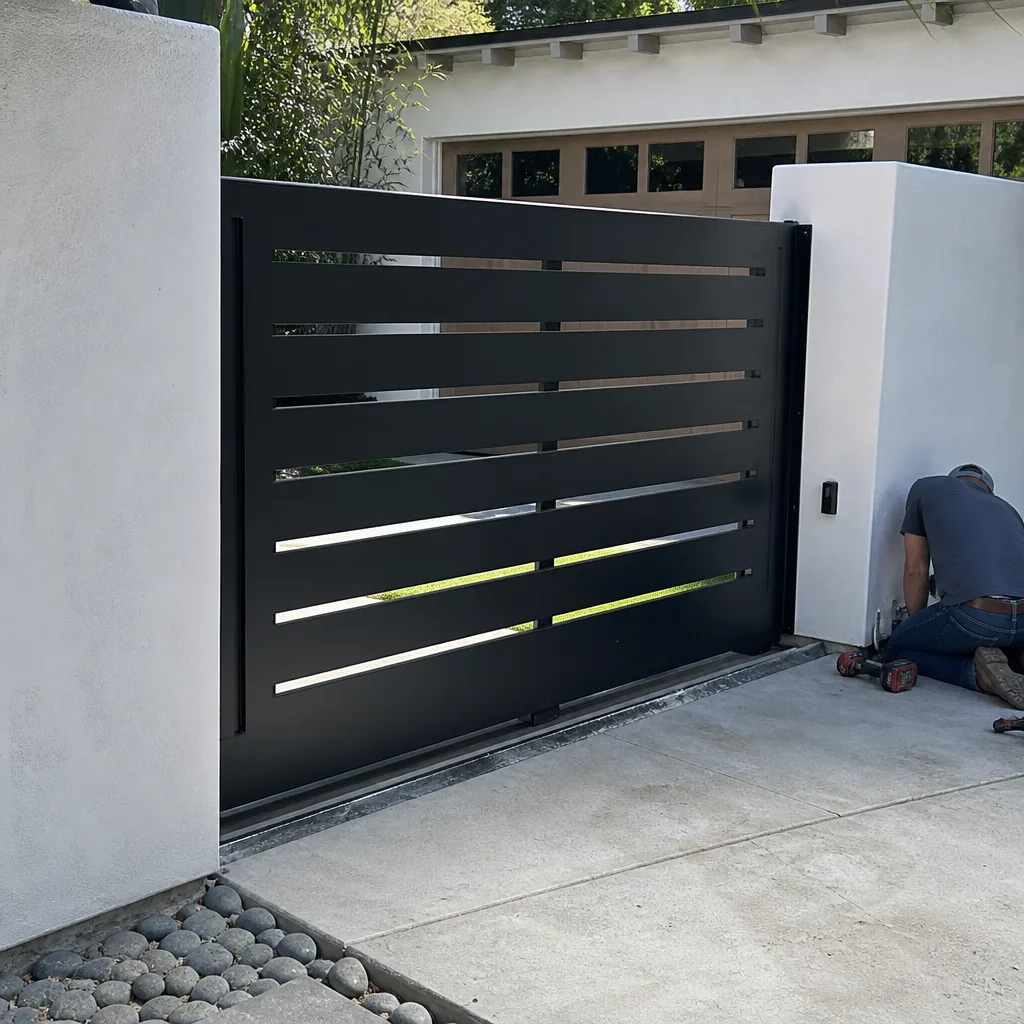 After
After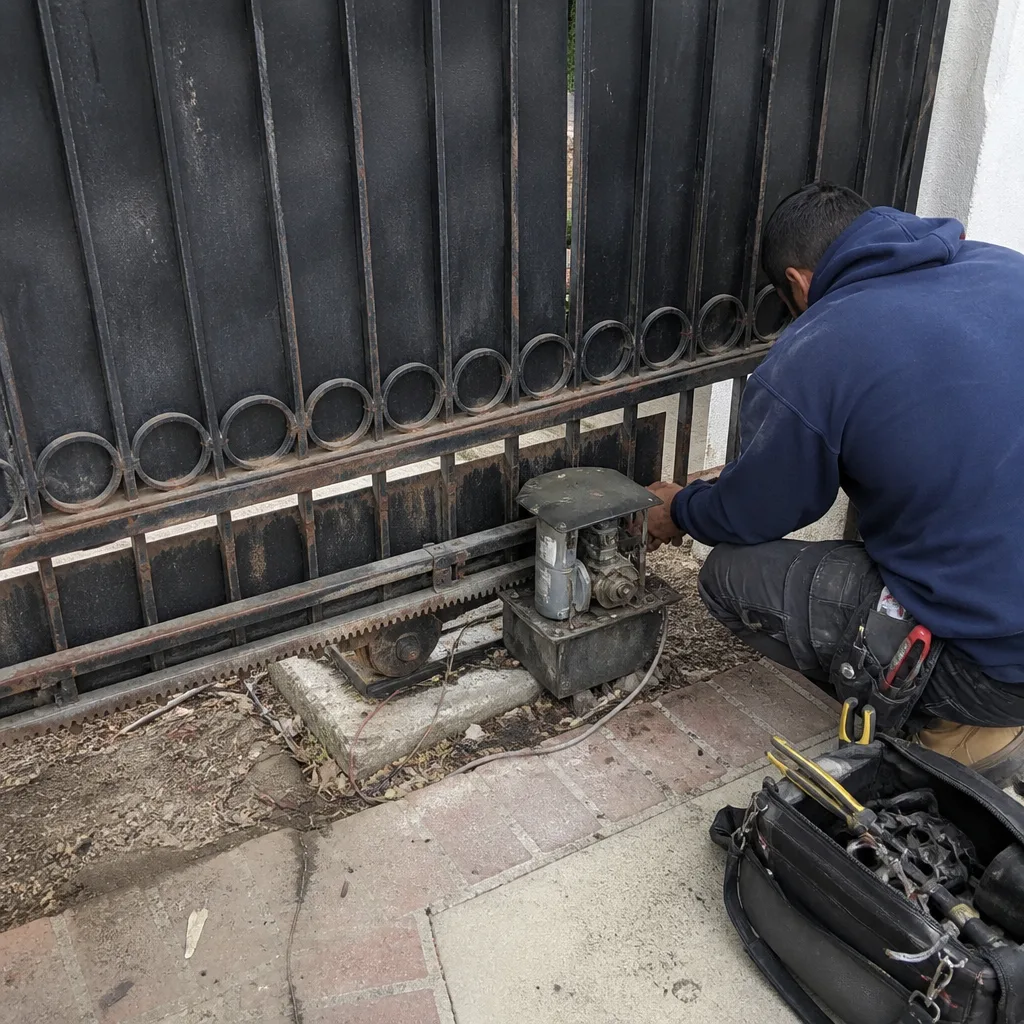 Before
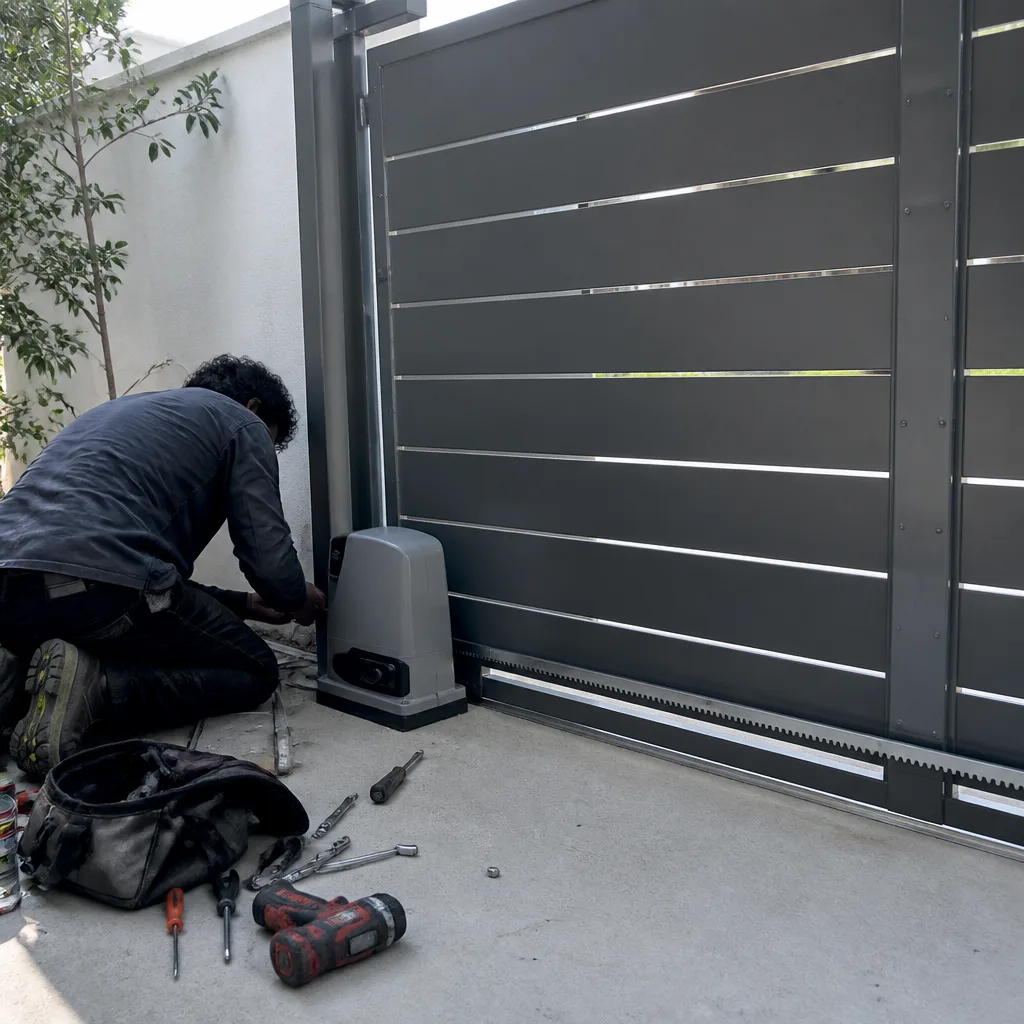 After
AfterLiftMaster Welding & Fabrication: The Los Angeles Owner’s Guide
We stock and install LiftMaster-compatible welding and fabrication parts across Los Angeles, with most installed jobs running between $180 and $650 depending on the hinge assembly, bracket, or gate frame section that failed. We carry the common stuff on the truck, so if your LiftMaster gate tore a weld at the hinge or the opener bracket cracked, there’s a good chance we can get it squared away same day. Most owners discover the problem the hard way: the gate starts dragging on one corner, the opener strains and reverses, or a weld pops with a sound like a rifle shot and the gate suddenly swings wrong. The good news is this is exactly the kind of repair we do in the driveway with a welder, not a parts catalog.
Key takeaways:
- Installed LiftMaster welding and fabrication repairs in Los Angeles typically run $180-$650
- We weld on site, so your gate stays in your driveway
- Common failure points: hinge welds, opener bracket mounts, and frame corners
- Every job carries our 90-Day Done Right Promise in writing
Which LiftMaster Models This Applies To
We weld and fabricate for the full LiftMaster swing and slide gate lineup you’ll find around Los Angeles: the LA400, LA412, LA500, SL3000, SL585, and the older SL1000 series that’s still running on plenty of hillside properties. The compatibility gotcha most people miss is that LiftMaster changed the hinge bracket geometry between the LA400 generation and the LA412/LA500 generation, so a hinge plate that was drilled for a 2008-era LA400 won’t line up on a newer arm without an adapter plate. We measure before we weld, every time.
On the gate frame itself, the weld quality matters less than the steel gauge. LiftMaster’s residential arms mount to gates built from 1.5-inch or 2-inch square tube, and the difference between 14-gauge and 16-gauge steel is the difference between a gate that holds a weld for fifteen years and one that tears again in three. When an owner hands us a LiftMaster opener that outlasted the gate it was mounted to, that’s usually the story: someone built the gate thin to save forty bucks. We fabricate replacements in the right gauge.
For OEM versus aftermarket: LiftMaster’s own hinge brackets and mounting hardware are fine, but they’re priced like a brand tax. We use the OEM part when it’s the only thing that fits right, and a quality aftermarket equivalent made from the same or heavier steel when it isn’t. Hal Gatewood has been looking at these parts since 2001, and he’ll tell you straight which one belongs on your gate.
Signs Your LiftMaster Welding & Fabrication Is Failing
- The gate sags on the latch side and the opener groans on startup. A sagging gate means a hinge weld or hinge post connection is stretching or cracked. The opener works harder every cycle, and the strain shows up first as a low groan from the motor. That sound is the opener telling you the gate is getting heavier.
- You see a crack running from a weld into the tubing. This is the classic Los Angeles failure, especially on gates that face afternoon sun and swing through a big daily temperature swing. The crack starts as a hairline at the weld toe and spreads. Once you can see it, it’s already structural.
- The opener bracket wiggles when the gate moves. If the bracket that connects the LiftMaster arm to the gate moves even an eighth of an inch, the bolts are wallowing out or the weld underneath is compromised. You’ll hear a clunk at each direction change. This one fails fast if left alone.
- The gate binds at one point in its swing and then frees up. That’s usually a bent or broken hinge pin, or a hinge ear that’s twisted out of plane. It feels like the gate catches on something, but it’s the hinge geometry fighting itself. A gate that binds is already putting uneven load on the LiftMaster gearbox.
- Rust staining runs from under a weld. In coastal Los Angeles neighborhoods and anywhere within a few miles of the marine layer, a weld that wasn’t sealed or primed properly will bleed rust within a year or two. The stain is cosmetic, but the pitting underneath is not. That weld is quietly losing section thickness.
Replacement Cost & What’s Included
In Los Angeles, we quote LiftMaster weld and fabrication repairs by the job, not by the hour, and the price is agreed before we strike an arc. A single hinge re-weld or bracket replacement typically runs $180 to $280. Fabricating a new hinge assembly in heavier steel or rebuilding a gate frame corner runs $320 to $520. A full gate rebuild with new hinges, new bracket mounts, and reinforcement plates runs $550 to $650 and up depending on the gate’s size.
The range comes down to three things: how much of the original steel is still sound, whether we’re repairing a weld or replacing the part, and how much fabrication has to happen on site. We carry hinge stock, bracket plates, and tubing on the truck, but if we need something odd, we’ll tell you before we quote it, not after. The labor is flat and the materials are itemized. Every job, big or small, carries our 90-Day Done Right Promise, and senior and veteran customers get 10% off, always.
There’s no trip charge inside Los Angeles County, and $40 off any repair over $200. A free second opinion on any written estimate holds whether you hire us or not. The number to call is (877) 610-2993.
DIY or Call Us?
You can check a lot without touching a welder. Look for visible cracks from welds into the tubing, feel for play in the opener bracket with the gate in manual release, and the lift-and-shake test on the hinge side will tell you if the pins or barrel hinges are worn. Write down what you see and measure the tube size with a tape measure. That’s the useful homework.
What you should not do is grind out a crack and weld it yourself unless you genuinely know how to weld, and even then, spring-loaded gates under tension are a different animal. A gate that’s mid-swing when a weld fails can hurt someone. The springs, the opener arm, and the tensioned hardware are under load even when the gate is stopped. If you’re not sure, call us. We’ll look at photos or come out and tell you honestly whether it’s a quick weld or a bigger job. (877) 610-2993. A live person picks up.
FAQs
On a properly built gate with 14-gauge steel and sealed welds, fifteen to twenty years is realistic in Los Angeles, but an unsealed weld in marine-layer neighborhoods can start failing in five. The gate material matters more than the weather, honestly. If your gate was built thin or the welds were never primed, we’ll tell you what’s realistic before we quote. Call (877) 610-2993 for a straight answer.
Usually yes, if the surrounding steel is still solid. We repair what’s repairable and fabricate what isn’t. If a hinge ear has torn out and the tube wall around it is still full thickness, a proper grind-out, re-weld, and gusset plate fixes it for good. If the tube is rusted thin, welding to it just moves the failure a half-inch over. That’s the repair-first line Hal Gatewood draws.
Most single-point weld repairs and bracket replacements take one to two hours on site. A full hinge assembly fabrication or gate corner rebuild can take half a day. We set expectations before we start, and the gate stays in your driveway the whole time.
We stock common hinge stock, bracket plates, reinforcement gussets, and 14-gauge and 16-gauge square tube in the sizes LiftMaster gates use. If your job needs something unusual, we source it and tell you the price before anything gets welded. We also stock parts for Mighty Mule, Ghost Controls, and DoorKing for the mixed-brand properties around Los Angeles.
Written by Hal Gatewood, Owner, Gatewood Fence & Gate at Gatewood Fence & Gate, serving Los Angeles and nearby areas.