
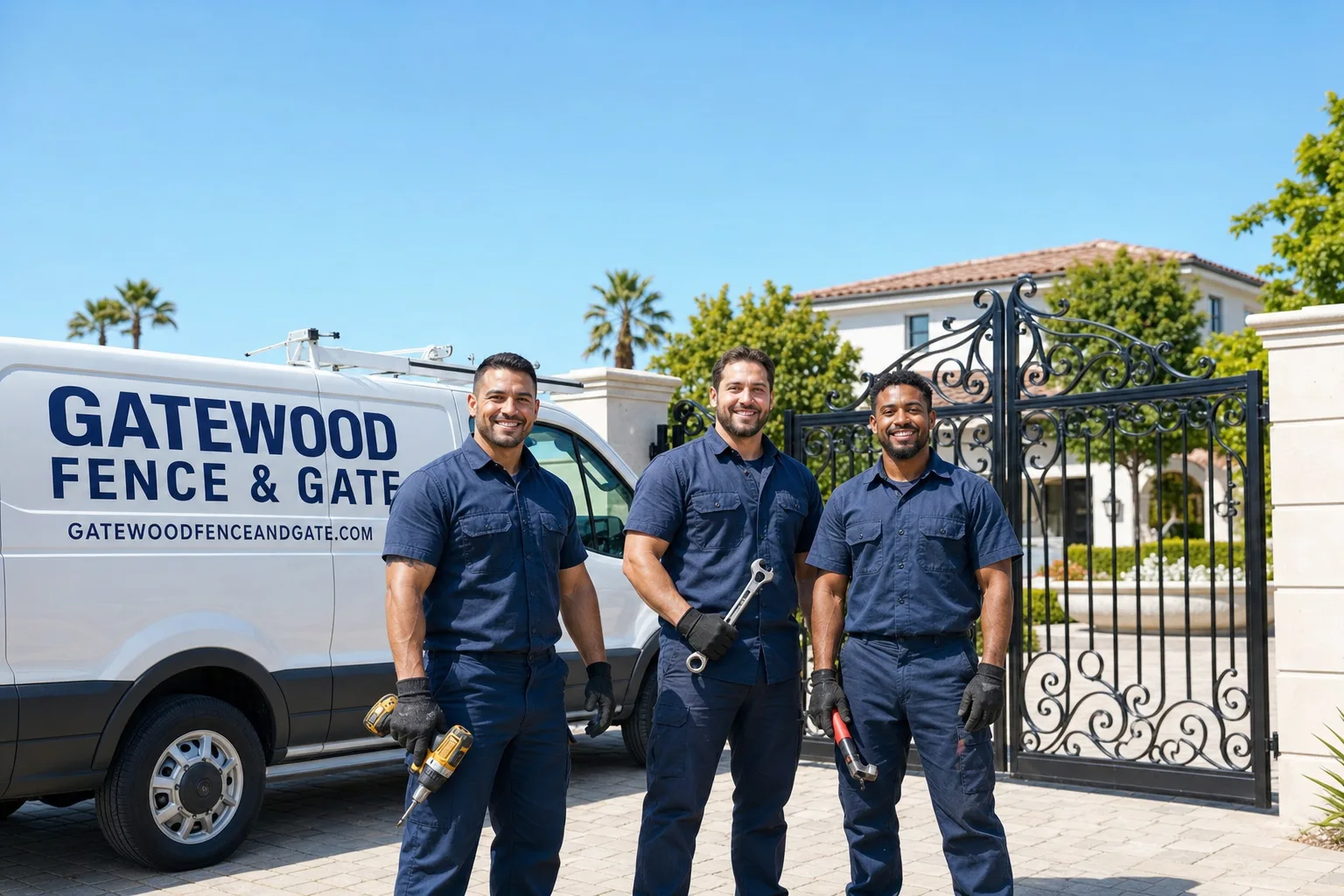
Free on-site gate assessment - hinges, posts, and your LiftMaster or Nice gate operator checked before anything is quoted
The assessment is free and the quote is the invoice.
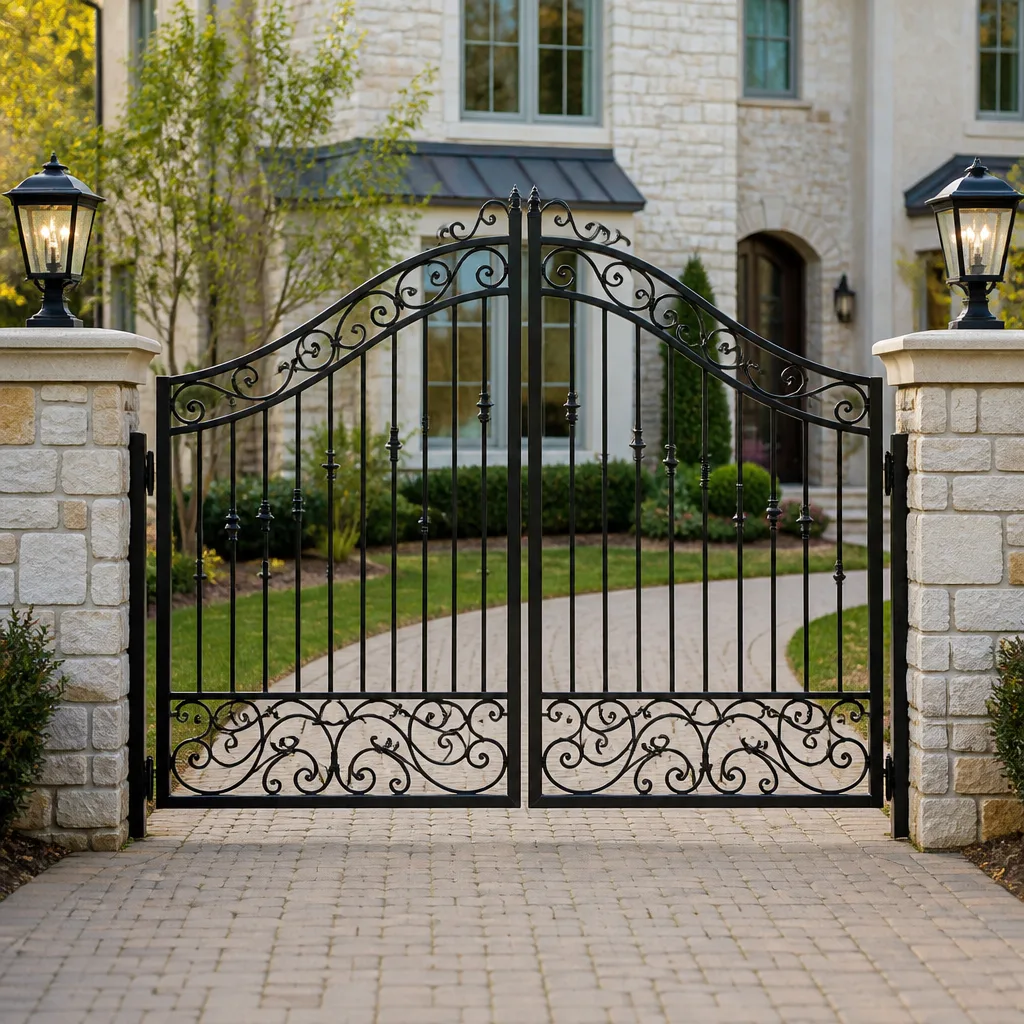
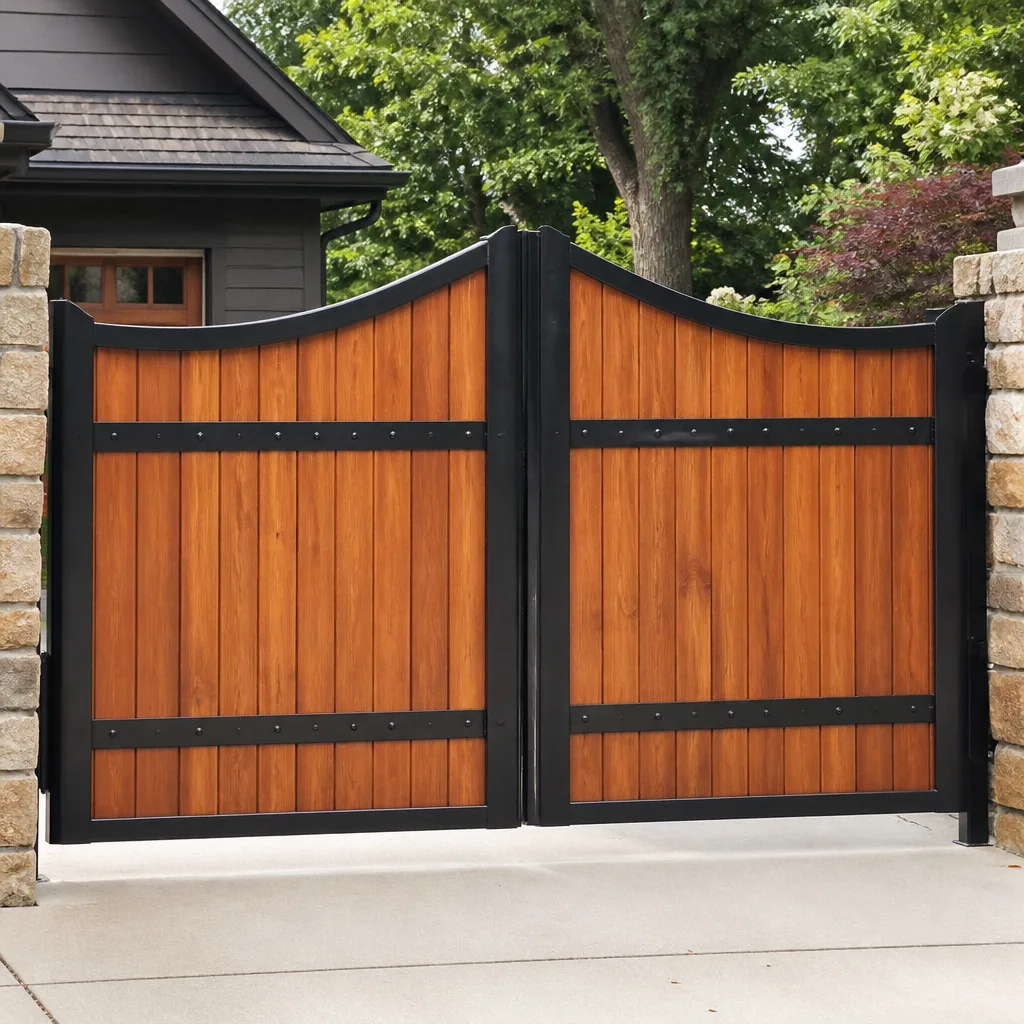
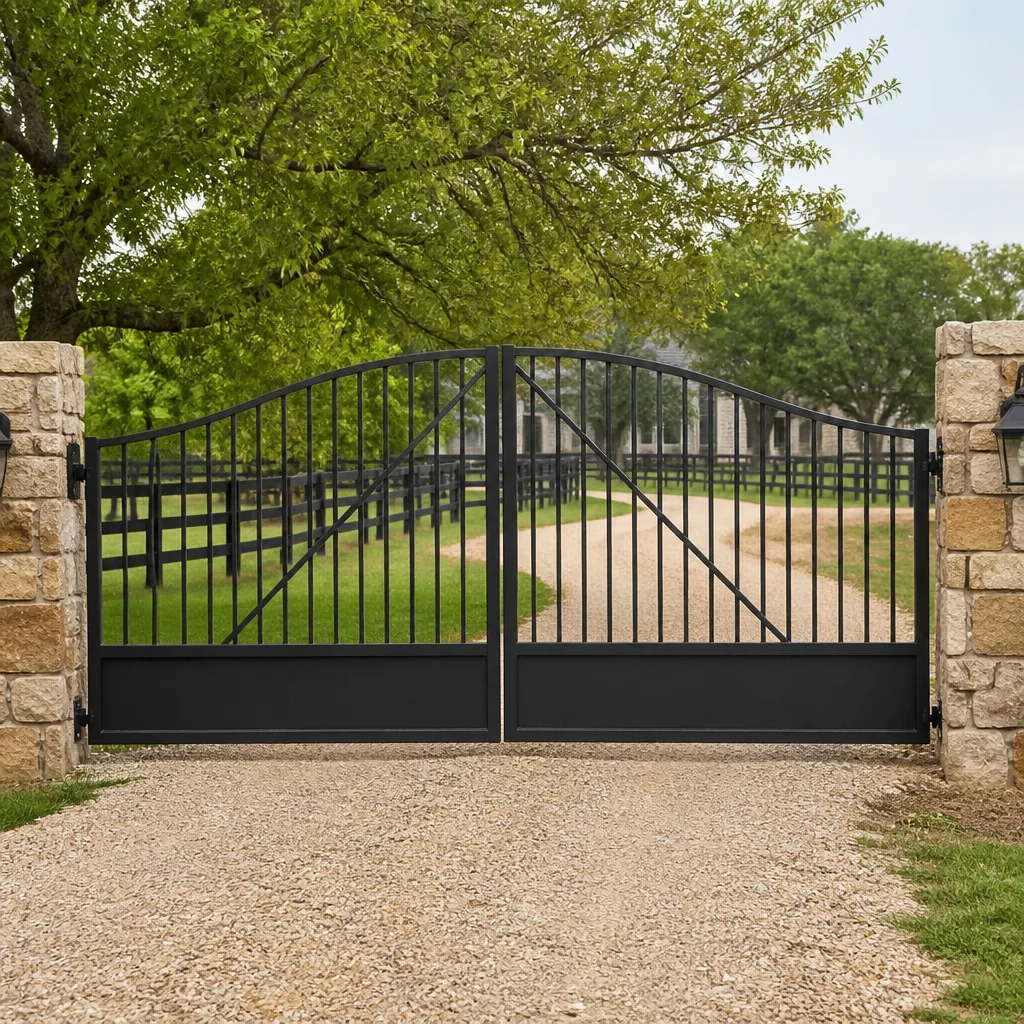
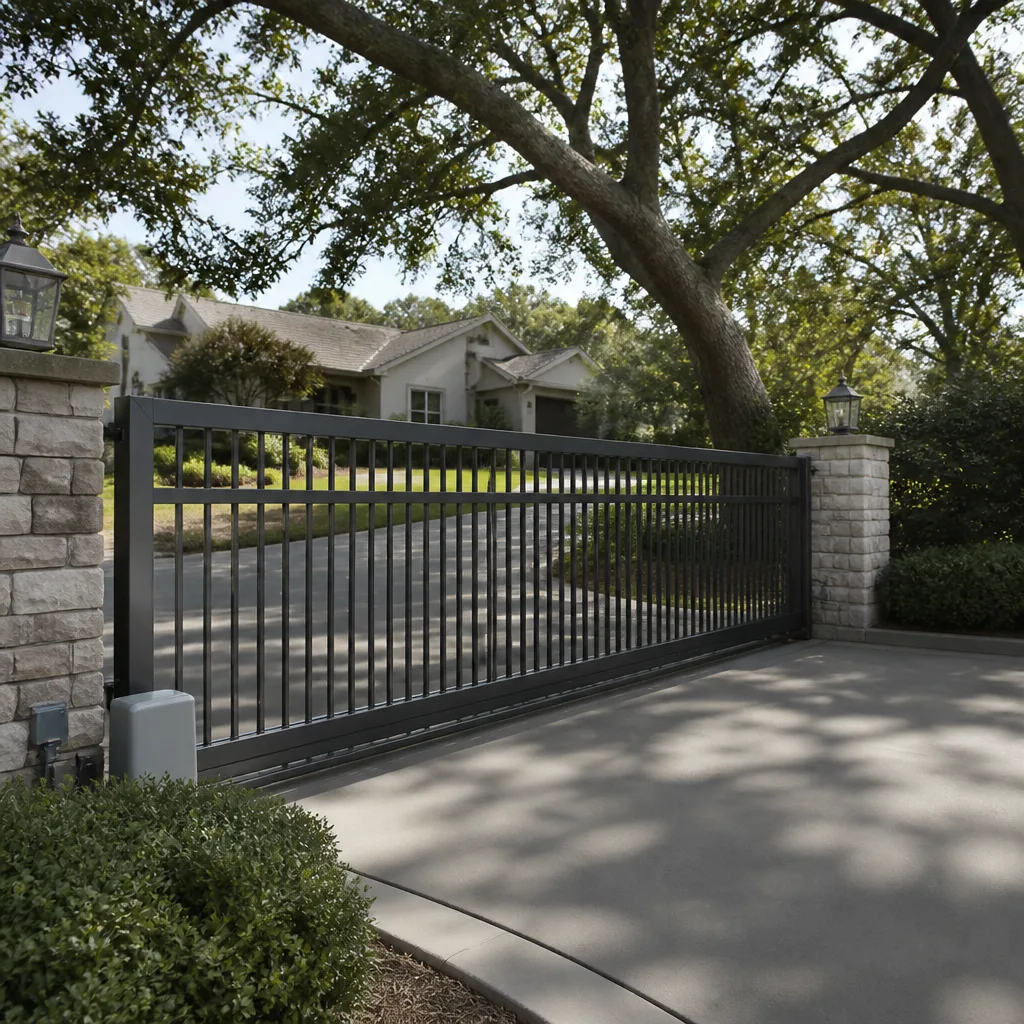
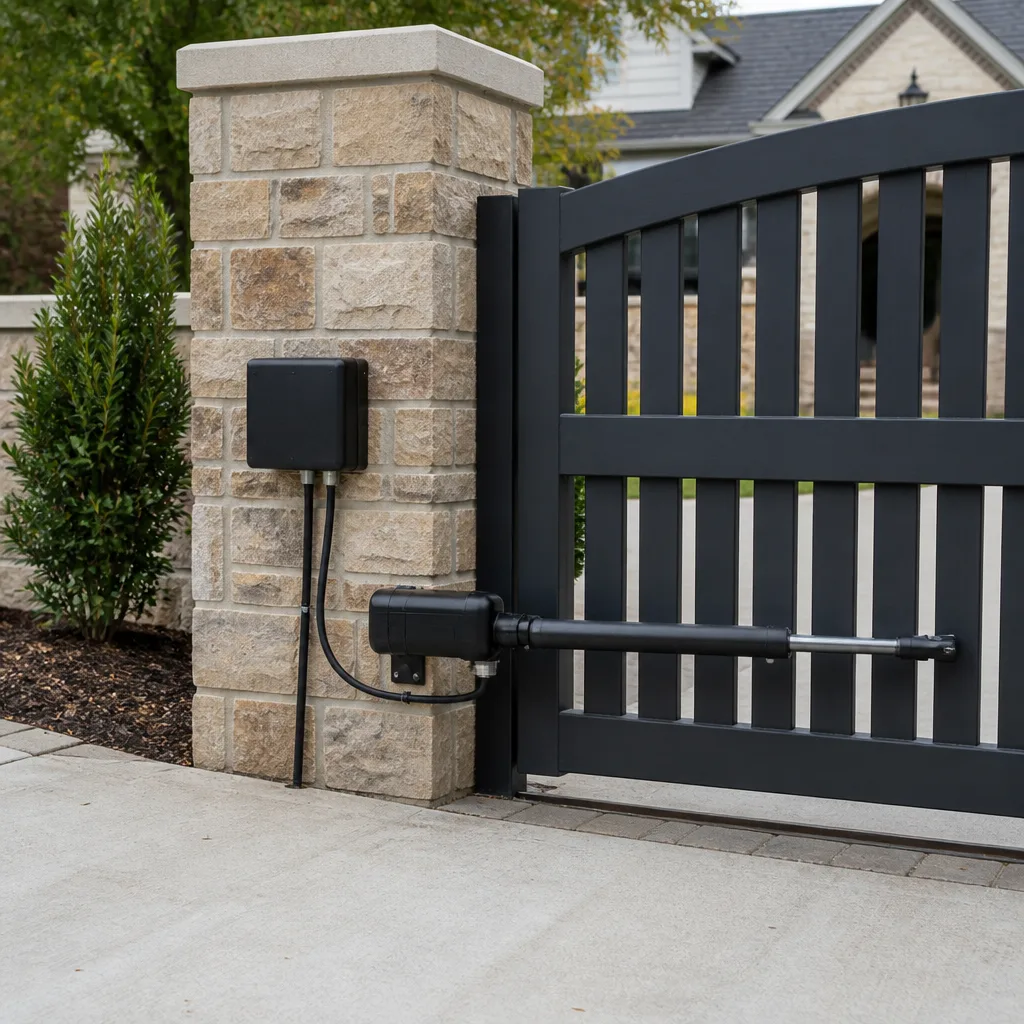
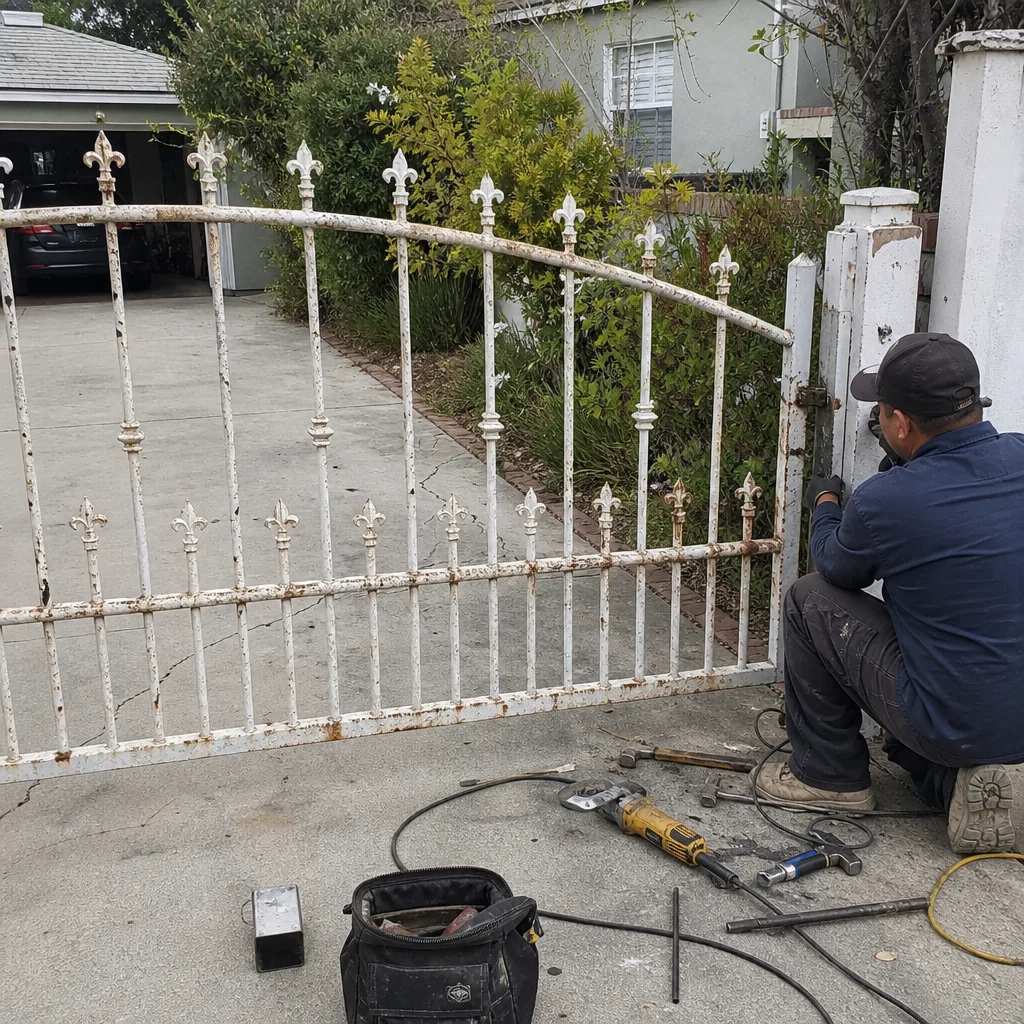 Before
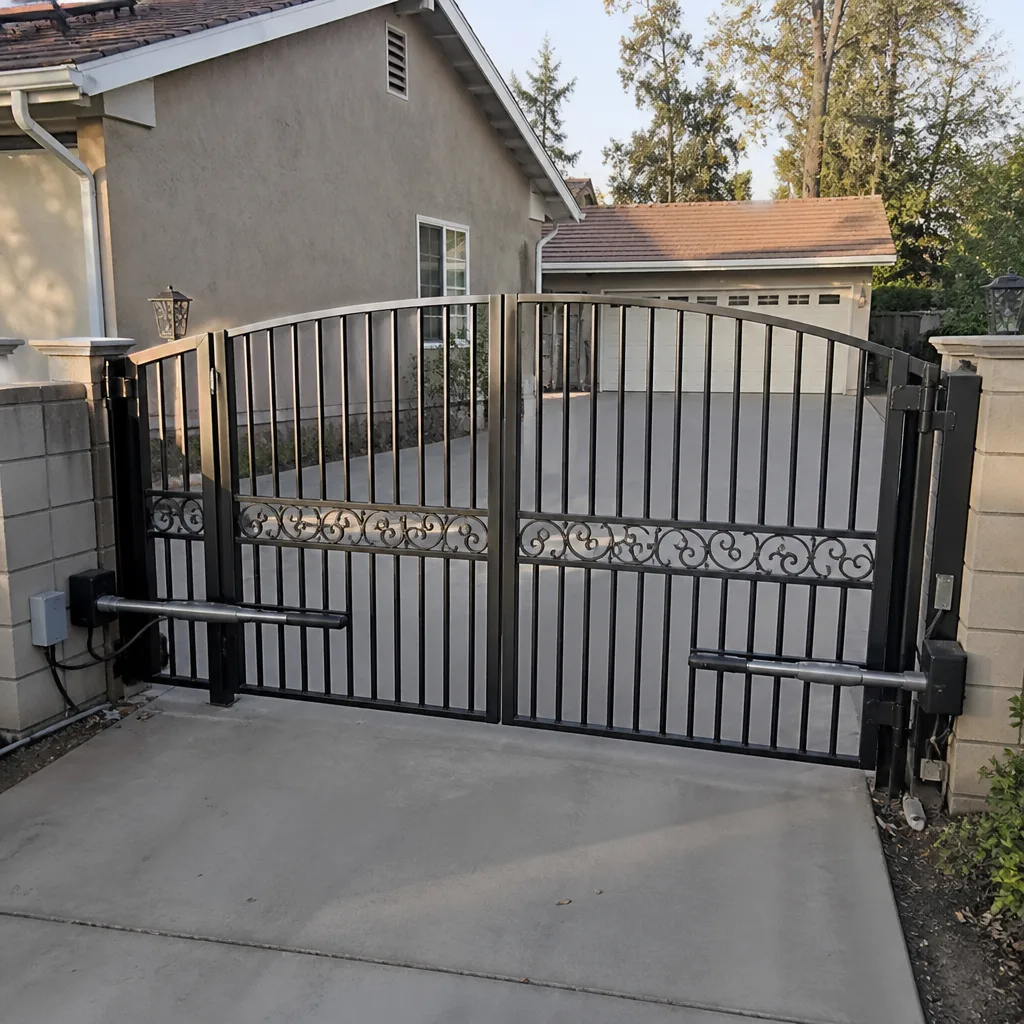 After
After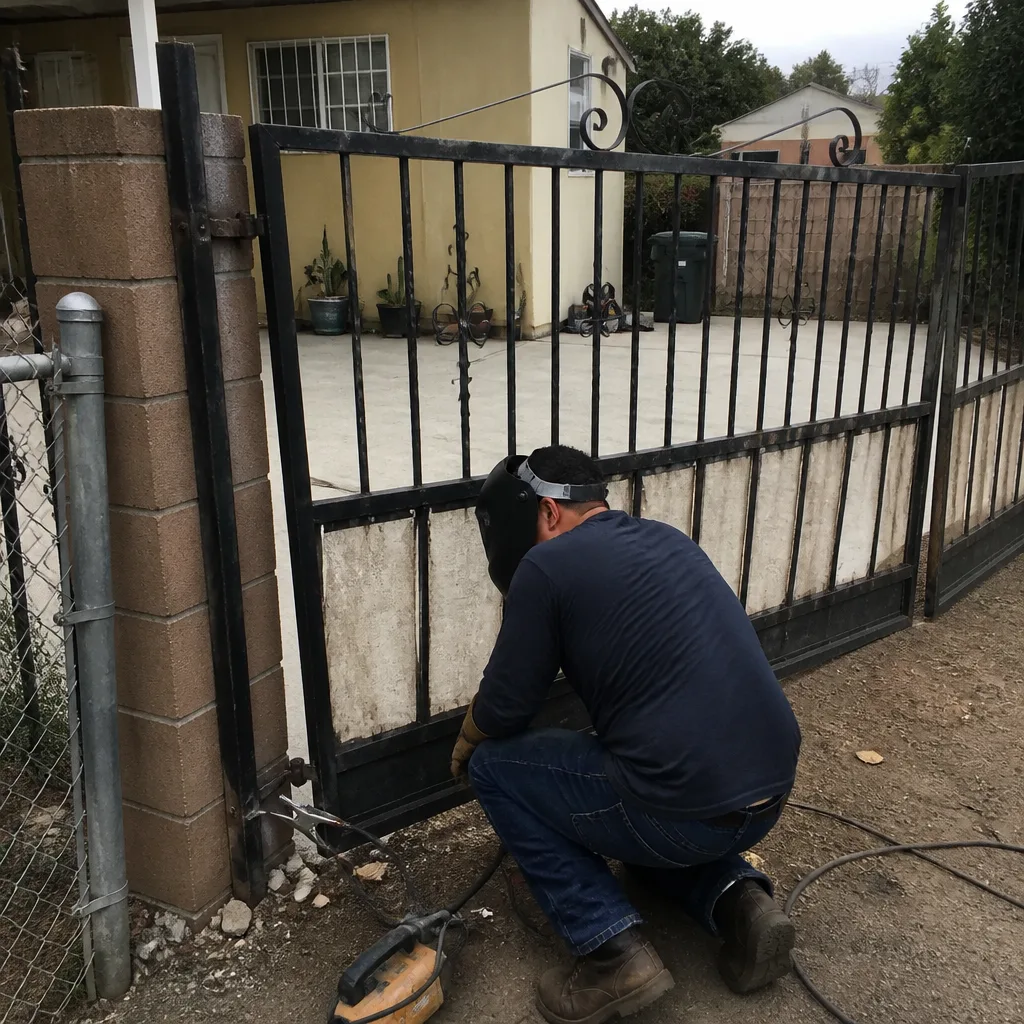 Before
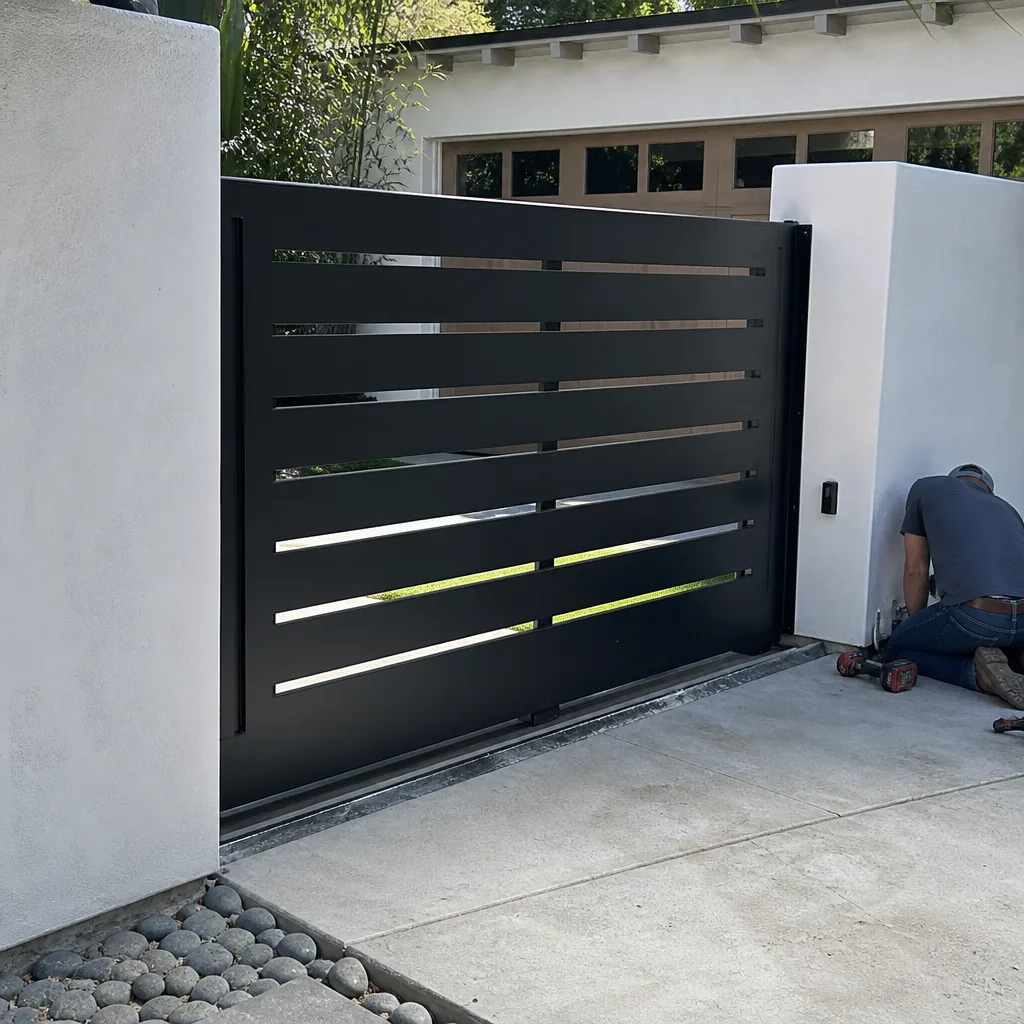 After
After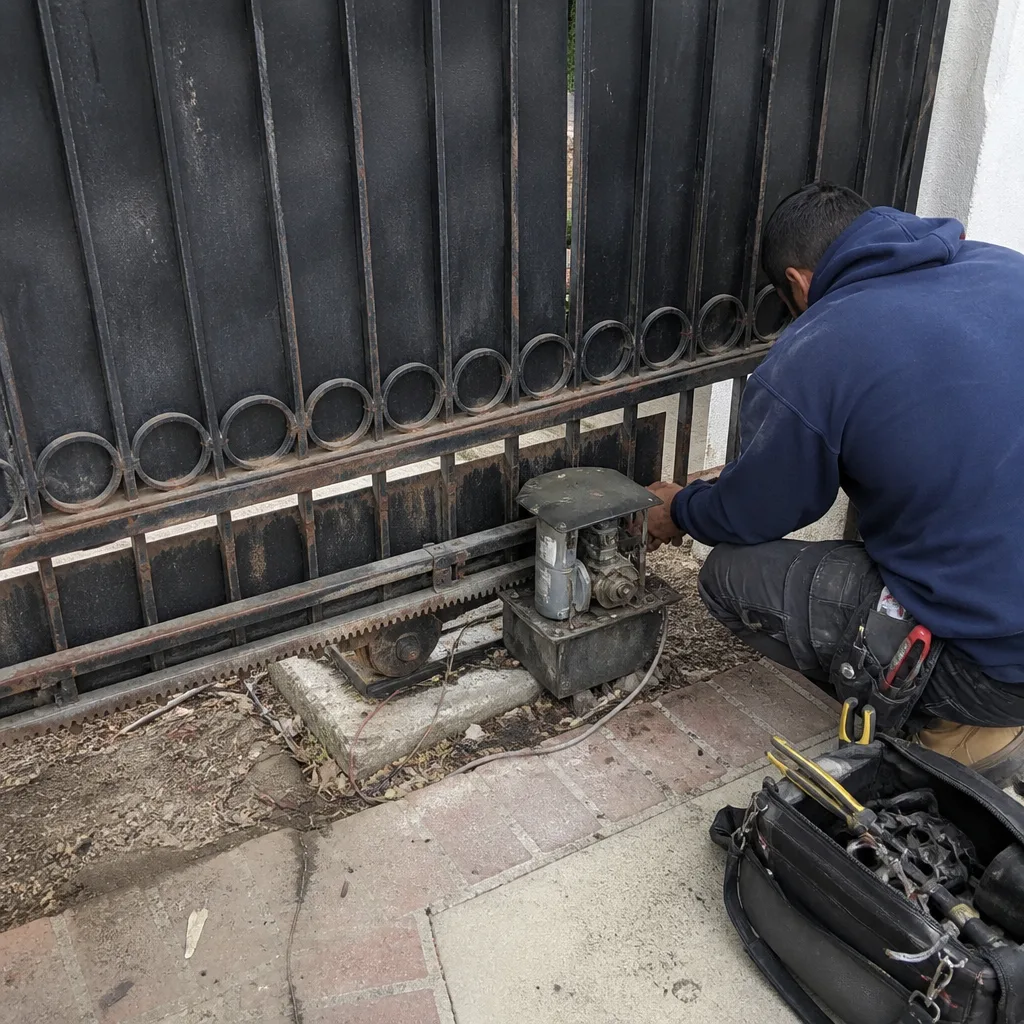 Before
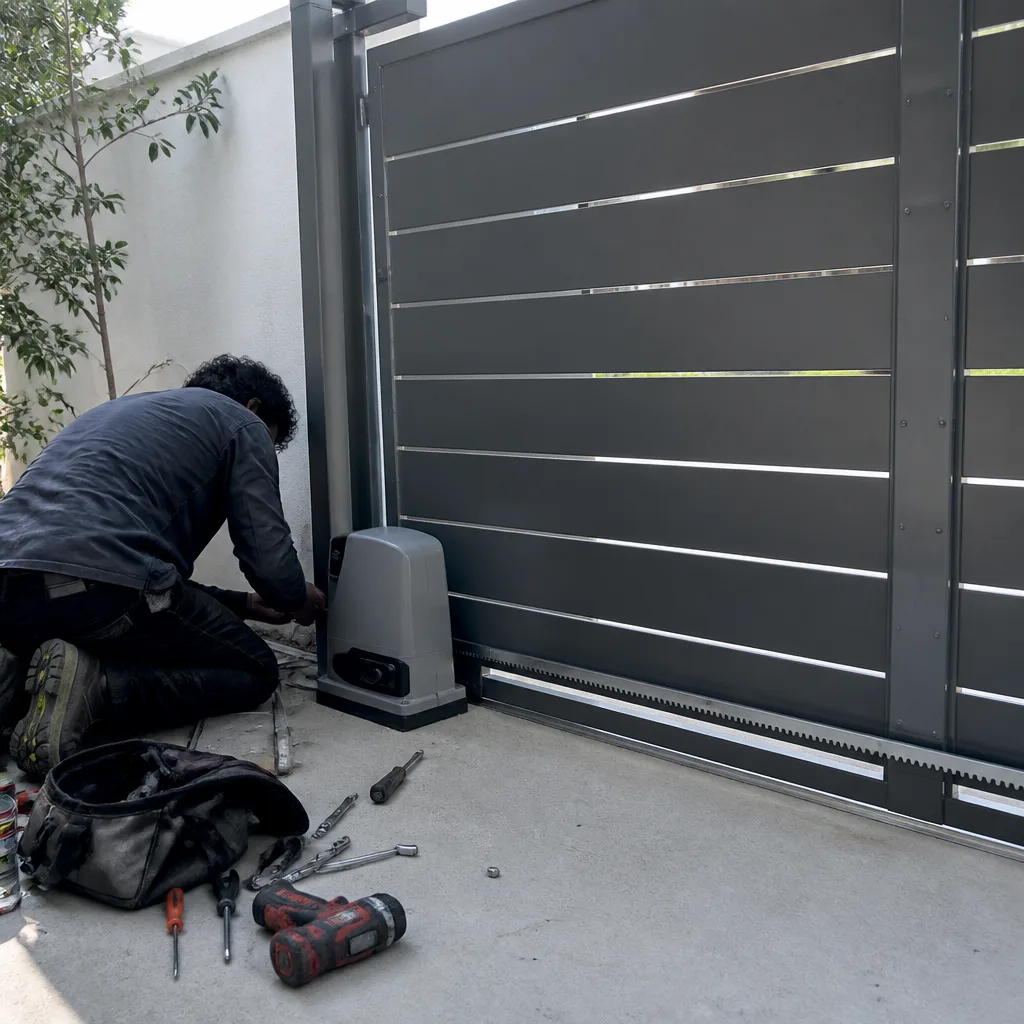 After
AfterFast, Reliable Gate Parts & Welding Across Parkville
Gate parts and welding in Parkville usually means one of three jobs: a hinge post that has heaved out of plumb, a steel frame rusted through at the weld seam, or an obsolete operator that needs a safety retrofit. We handle all three in the driveway, on site, without hauling your gate back to a shop. Hal Gatewood has been doing this since 2001, and the phone gets answered by a live person any hour you call. If you’re in the 21234 ZIP and your gate is sagging, binding, or swinging loose at the latch, call (877) 610-2993 and you’ll get a straight answer and an honest price before any work starts.
Why Gatewood Fence & Gate Is Parkville’s Preferred Gate Parts & Welding Company
Most of our Parkville calls come from the older subdivisions off Harford Road, Perring Parkway, and Joppa Road, where the houses were built between the 1950s and 1970s and the original gates have been through 50 or 60 Maryland winters. We know those gates. We know how Baltimore County’s clay soil moves them, how the humid summers rust their hardware, and which original builders hung chain-link swing gates that were never quite square to begin with. That local pattern recognition is why people keep our number.
We’re not a franchise. Hal Gatewood’s name is on the shop, the license number is published, and the person who shows up is someone you could run into at the hardware store the next week. Every job, from a hinge plate weld to a full post reset, carries the 90-Day Done Right Promise in writing. If it is not done right, one call brings us back. No runaround. Parkville homeowners have our cell number and they use it, because the oldest accountability there is starts with a name on the door and a shop down the road.
Scheduling is coordinated from our Baltimore office, and crews serve Parkville locally. Background-checked, uniformed techs do the work. You’ll get a firm window, not a dispatch queue.
Our Gate Parts & Welding Services in Parkville
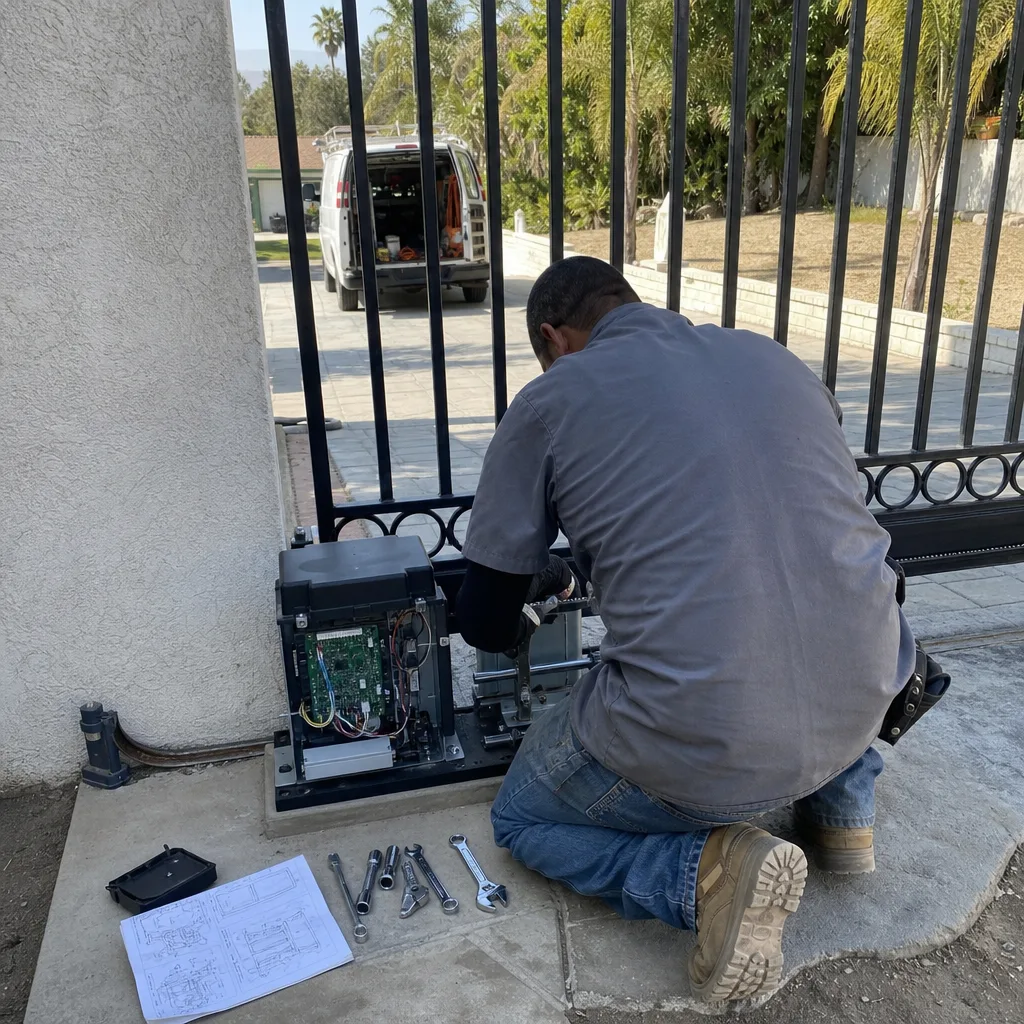
Hinge Replacement
A sagging gate in Parkville is not a panel problem; it is a hinge post problem. The clay soil under 21234 heaves during freeze-thaw cycles, and by February one post has moved while the other stayed put. We cut out the old hinge, weld a new heavy-gauge plate, and get the gate swinging square again. On older chain-link swing gates, we regularly see original hinges worn egg-shaped from 50 years of use, which is exactly why the latch misses by an inch in cold weather.
Post Replacement
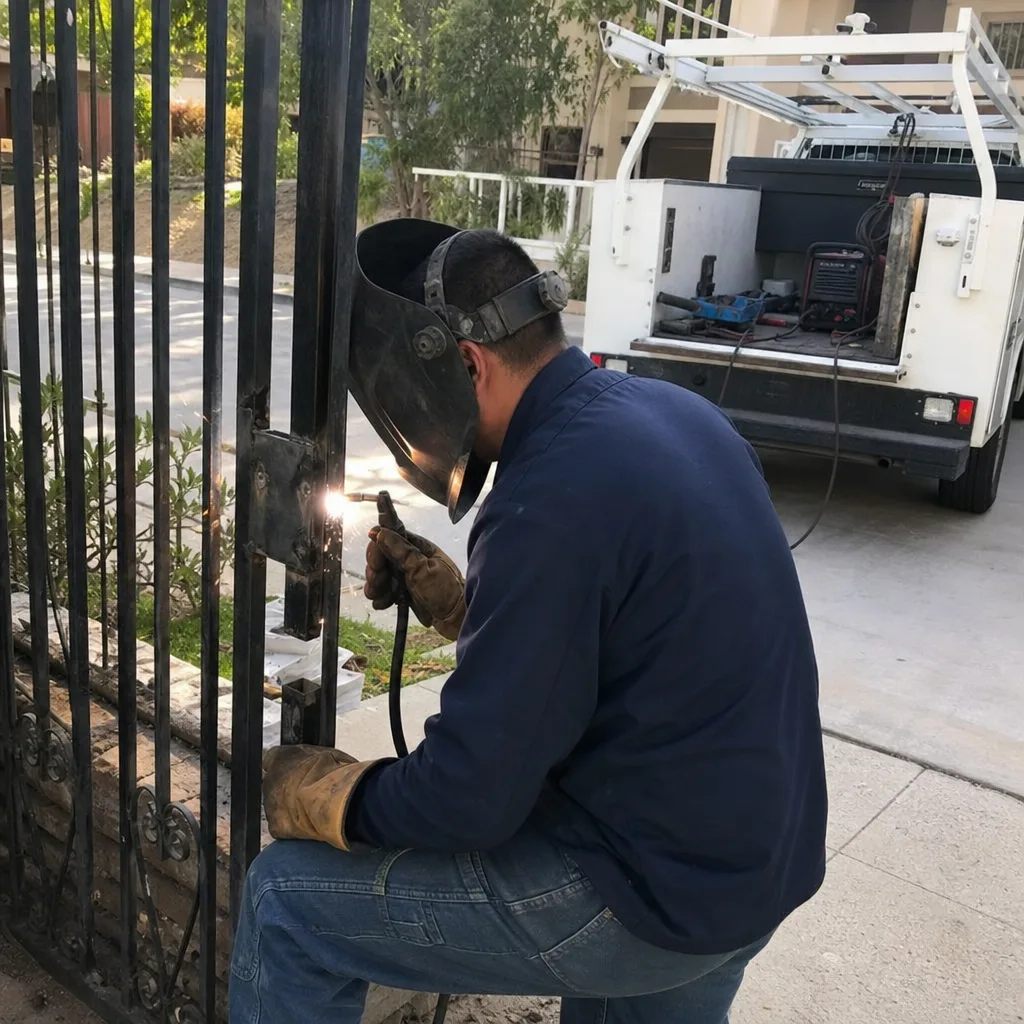
When a gate post has heaved three inches or rotted at the base, shimming the hinges will not save it. We remove the old post, re-set a new one in properly consolidated footing, and weld or bolt the gate back level. In Parkville’s mid-century neighborhoods, concrete-set posts from the original build are often cracked below grade where the clay has held water against them for decades. We see it on Harford Road, in the loops off Taylor Avenue, and throughout the older sections of 21234. The fix is a real one, not a patch.
Rail Repair
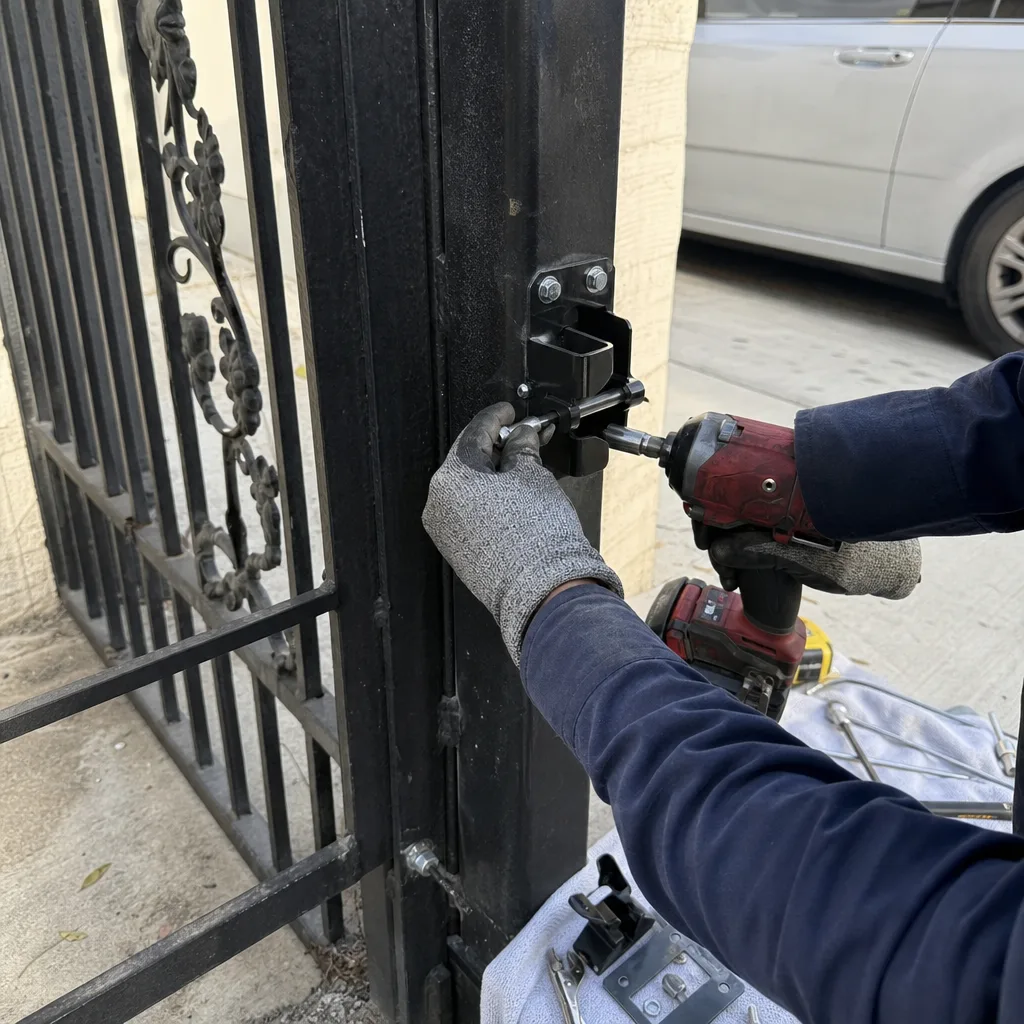
Bent top rails and rusted mid-rails on chain-link and ornamental gates are routine here. A car bumper, a snowplow push in a hard February, or simple metal fatigue after 60 years can bow a rail enough to drag the gate. We straighten where it makes sense and weld in new rail sections where it doesn’t. You don’t need a new panel just because one rail let go.
Custom Welding
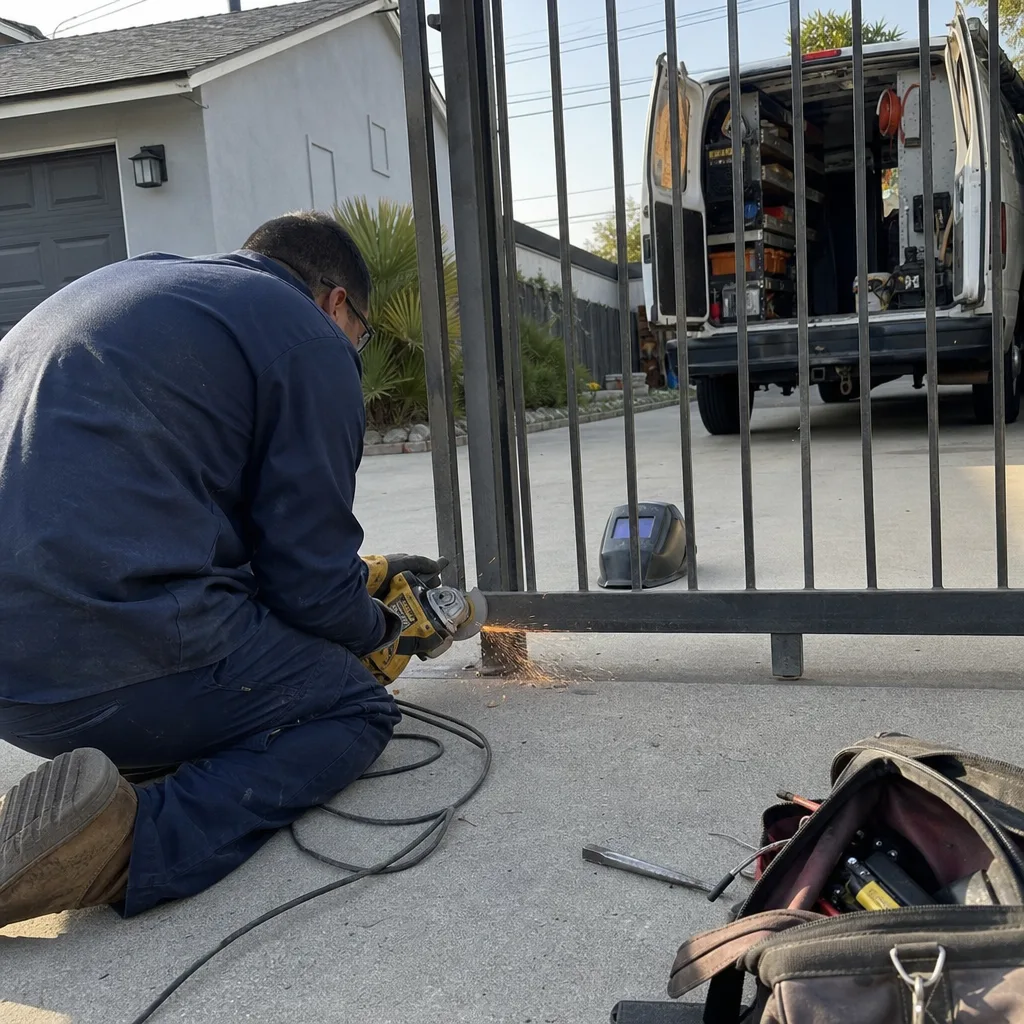
This is the work we like most, because it is the work other companies skip. A rusted-out hinge seat, a cracked frame corner, a latch bracket that tore loose, a sensor mount for an older operator: we weld it on site while the gate stays in your driveway. No haul-off, no waiting weeks for a fabricated part that costs more than the gate. If your 1960s steel swing gate is otherwise sound, welding often gives it another 20 years, and that fits how we think. Fix the panel without the post and you’ll fix it twice; fix the post and the panel stays fixed. Our Gate Parts & Welding crew carries the welder, the steel stock, and the replacement hardware on the truck, so most Parkville jobs are finished in one visit.
What happens when you call
- 1
A real person answersNo phone trees - you reach a local pro.
- 2
You get an upfront price rangeHonest numbers before anyone is dispatched.
- 3
A background-checked tech heads outLicensed & insured, dispatched right away.
- 4
You approve before work beginsNothing starts until you say go.
Trusted Brands We Service in Parkville
We are certified to service nine major gate brands, and the ones we work on most often in Parkville are FAAC, BFT, and Linear operators on retrofitted swing gates, plus Viking and the older LiftMaster and Mighty Mule units that came with houses built in the 1980s and 1990s. Because we stock a deep shelf of common parts for those older models, a Parkville repair often doesn’t wait on a warehouse order. If we have the part, it goes on the same day. If we don’t, we tell you honestly, then get it here fast.
Common Gate Parts & Welding Problems We See in Parkville Homes
- Clay freeze-thaw heaves one post while the other stays fixed. Baltimore County’s clay-heavy subsoil moves concrete-set gate posts several inches from November through March. By late January, swing gates that latched fine in October are binding or missing the latch entirely.
- Original 1960s operators without UL 325 safety protection. Many Parkville gates still run on pre-1990s control boards with no photo-eyes and no edge sensors. That forces a choice between a full operator swap and a welded sensor bracket retrofit, and we walk you through both honestly.
- Rust-through at hinge weld seams and frame corners. Fifty or sixty Mid-Atlantic summers of humidity and winter road treatment leave steel gates rusted at the exact spots where water sits: hinge seats, bottom rail corners, and latch mounts. Custom welding is usually the only fix short of full panel replacement.
- Wood privacy gate posts rotting at ground level. On the wood and vinyl fencing added in the 1990s and 2000s, the posts are often set in the same heavy clay, and now they’re rotting at the base. We re-set them properly and weld a steel post or re-hang the gate on new hinges.
Pricing for Gate Parts & Welding in Parkville, MD
You will get the price before the work starts, because the price is quoted and agreed before any work starts. That is not a footnote; it is how we do business. In Parkville, a typical hinge replacement on a residential swing gate runs $180 to $340, depending on how much of the old hardware has to be cut out and how thick the replacement plate needs to be. Post re-plumbing and re-setting averages $400 to $800 when the post can be saved, and $700 to $1,200 when we need a new post fully re-set in the clay. Custom welding jobs start around $150 for small bracket or latch repairs and run up from there for heavier structural work. Rail straightening or section replacement typically falls between $200 and $500. Every estimate is free, and there is no trip charge inside the county. We also take $40 off any repair over $200, and seniors and veterans get a permanent 10% discount, no haggling. Call (877) 610-2993 for an exact quote on your gate.
We Also Serve Cities Near Parkville
If you’re just outside the 21234 ZIP, we also cover Carney, Overlea, Hampton, and Towson with the same next-day scheduling and the same written 90-Day Done Right Promise. Much of that territory has housing stock and soil conditions much like Parkville’s, and our crews know it the same way. You can learn more about how we work on the Gate Parts & Welding in Parkville page.
Serving Parkville, MD - Our Local Coverage Area
We’re based in the Parkville area and know this community well. Use the map below to see our service coverage - if you’re nearby, we can almost certainly help.
FAQs - Gate Parts & Welding in Parkville
The short answer is clay soil and freeze-thaw heave, and it is the single most common winter gate failure in Parkville. Baltimore County’s clay-heavy subsoil expands and contracts as the ground freezes and thaws, and it does not always move both posts the same way. One hinge post heaves an inch or three while the latch post holds still, and the gate starts dragging or missing the latch. We see this pattern so consistently in Parkville’s older subdivisions that we quote post-reset labor as a near-certain add-on for any January or February call. The fix is re-plumbing the post and securing it in properly consolidated footing, not just shimming the hinges and hoping. Call (877) 610-2993 and we will come look at your gate before another freeze-thaw cycle does more damage.
Yes, in most cases we can, and this is a signature part of our work in Parkville. Gates built before 1993 were often installed without UL 325 entrapment protection, which means no photo-eyes and no reversing edges. That is a safety problem, especially when the gate is automated. If the old control board and motor are still solid, we weld a sensor bracket onto the frame, mount the photocells, and wire a reversible edge into the existing operator. If the board was obsolete or the motor is failing, we will tell you straight: retrofitting stops making sense and a full operator replacement is cheaper than endless patchwork. Either way, the work gets done right and the sensors get tested before we leave.
Almost never. A chain-link gate that sags at the latch side is almost always a hinge post problem, not a panel problem. The post has leaned or heaved, the hinges have worn egg-shaped, or the frame has twisted at the weld. We fix the post, weld the hinges, and the existing panel stays. Replacing the panel without fixing the post would just put a new gate on a bad foundation, and you’d fix it twice. In Parkville, where the original chain-link gates are 50 to 70 years old, this is the rule: fix the post and the panel is usually fine.
You need someone to inspect the weld, and that inspection should be more than a glance. We look at the hinge plate and post weld for rust-through, fatigue cracks, and movement under load. If we can see the gate flex or hear the hinge grind when we put weight on it, that weld is not safe to automate yet. Any gate going from manual to automatic needs a solid post, sound hinges, and a frame that moves without binding. If the existing weld is dubious, we cut it out and weld a new heavy-gauge plate before an operator goes on. It is cheaper to fix the hinge now than to have the gate fall later.
The hinge plate, by a wide margin. On 50-year-old chain-link and ornamental swing gates around Parkville, the original hinge plates rust through at the weld seam, and the gate starts dropping at the latch side. We cut away the failed plate, weld a heavier one in its place, and re-hang the gate. The second most common is a cracked frame corner where a previous repair tried to patch the panel without fixing the post. Those two jobs account for most of our welding calls in the 21234 ZIP. Call (877) 610-2993 for a free estimate, and someone will come look at your gate with a welder in the truck.
Safety First, Always
Automated gate parts and welding involve real risk: high-tension springs, heavy panels, and electricity. A poorly welded hinge or an untested safety sensor can seriously injure someone, especially on older gates that predate modern safety requirements. If your gate has a broken spring, a failed weld, or an obsolete operator, do not try to force it or work on it yourself. Call a trained professional who has done this work for decades. That call can be to us at (877) 610-2993.
Written by Hal Gatewood, Owner at Gatewood Fence & Gate, serving Parkville and surrounding communities since 2001.